
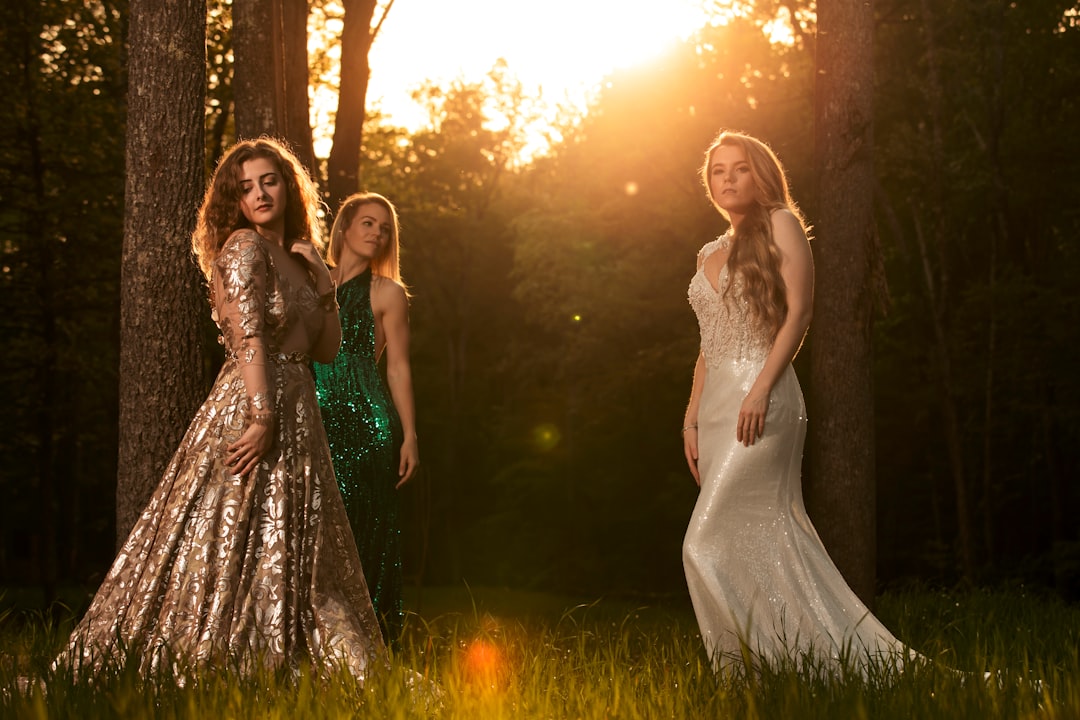
What to Wear to an Evening Wedding as a Guest
Picture this: you're standing at your mailbox holding an invitation that says "6:30 p.m. — Black-Tie Optional" in a font so elegant it practically judges your entire wardrobe. Your brain does that thing where it simultaneously imagines you in a floor-length gown AND in the midi dress you wore to your cousin's divorce party, and somehow both feel wrong. I've been that person — the one who showed up to an evening wedding in a dress that was technically "nice" but made me look like I'd wandered in from a different calendar year. Evening weddings operate on a different physics than daytime ones, and the invitation's dress code is basically a secret language most of us were never taught in school.
Here's what we're going to figure out together: how formal you actually need to be, what "black-tie optional" means when it's not just fancy words on cardstock, whether black is allowed (spoiler: yes), dress lengths, jumpsuits, fabrics, shoes — the whole Formality Fog decoded so you don't spend three hours spiraling in front of your closet.
The Dress-Code Decoder: What Evening Actually Changes
Evening weddings — anything starting at or after 5 p.m., which is when Condé Nast Traveler notes black-tie traditionally kicks in — demand a tonal shift. Think of daytime wedding attire as a breezy paperback novel: lighter colors, airier fabrics, sundresses that flutter. Evening attire is the hardcover edition with deckled edges — darker colors, sleeker silhouettes, fabrics that actually catch candlelight instead of absorbing it like a sad sponge.
According to Vogue, evening events call for luxe materials like satin, velvet, and silk rather than the cotton and linen that feel perfectly reasonable at a 2 p.m. garden ceremony but scream "I misread the room" after sunset. Bridal stylist Maisie-Kate Keane puts it bluntly: if you're unsure, it's always safer to be a bit overdressed than underdressed. Imagine you're a guest at a dinner party hosted by people who spent six figures on florals — you want to look like you belong at that table, not like you stopped by on your way to grab groceries.
Black-Tie: The Full Formal Treatment
Black-tie is the dress code equivalent of a symphony orchestra — everyone has a specific part. Women wear floor-length gowns or elegant pantsuits. Men wear tuxedos with black bow ties and black Oxfords, opera pumps, or velvet slippers. Not a navy suit. Not "close enough." A tuxedo. Condé Nast Traveler is explicit: gray and navy suits don't cut it here.
Cocktail: Formal, But With Breathing Room
Cocktail attire sits between semi-formal and formal — women can wear mini, knee-length, or midi dresses, and men wear suits with ties or well-tailored blazers with dress pants. But here's the evening twist: according to The Knot, evening cocktail attire implies a more-formal dress code, so steer clear of busy patterns and opt for solid-colored pieces in darker shades. Bridal fashion stylist Gabrielle Hurwitz advises avoiding casual fabrics like cotton and instead choosing evening-appropriate materials — silk satin, silk chiffon, jacquard, or beaded embellishments.
Black-Tie Optional: The Dress Code That Wants to Have It Both Ways
Arguably the most confusing category for guests, black-tie optional — often used interchangeably with "formal" — is regarded as a step down from black-tie but fancier than cocktail, per Condé Nast Traveler. I call this the Schrödinger's Dress Code: you're simultaneously expected to wear a gown AND allowed to wear something shorter, and the invitation gives you zero guidance on which universe you're actually in until you show up and scan the room like a nervous anthropologist.
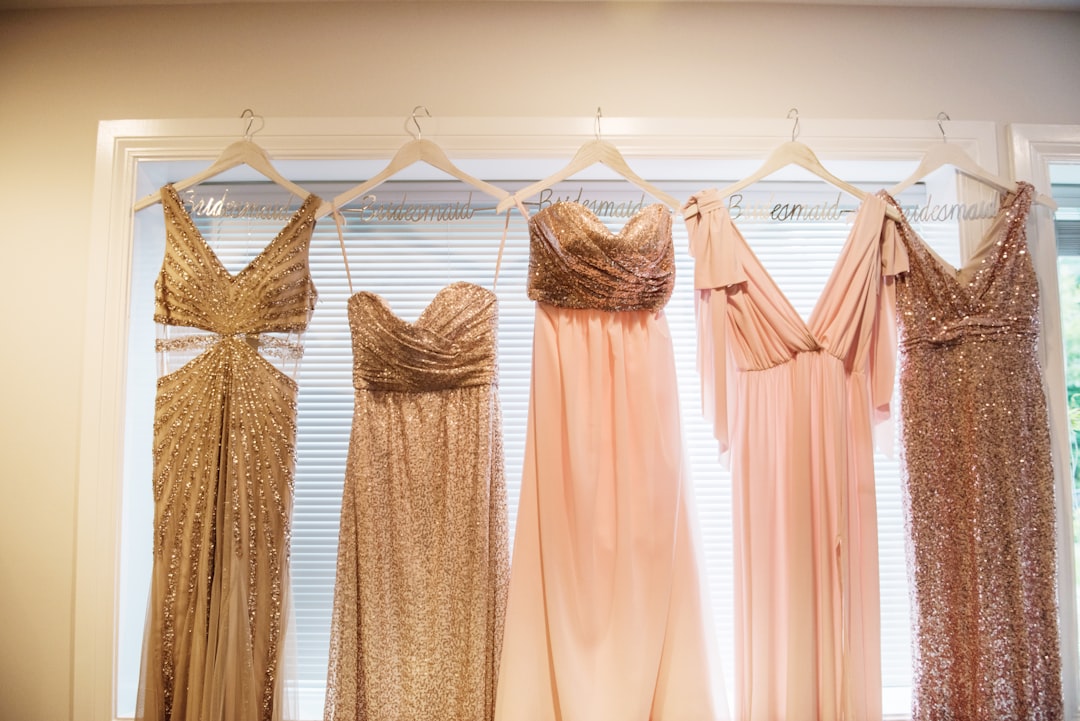
The Knot clarifies that black-tie optional means you have the option to wear black-tie attire — an evening gown or tuxedo — but can instead wear formal attire like a suit or long dress. The wedding party will likely be in full black tie; you get a menu with two prix-fixe options instead of one. Floor-length gowns are preferred but not mandatory. Midi-length dresses work. Anything above the knee starts leaning too casual, according to Brides — short and mini dresses are out.
Men have two real choices: a tuxedo or a dark suit. Women can wear a fancy cocktail dress, a dressy pantsuit, or a formal jumpsuit — yes, jumpsuits count here if they're tailored and elevated. The Knot says avoid casual fabrics and bold patterns on jumpsuits; think structured silk, not the linen number you'd wear to brunch. ELLE adds that for black-tie optional, there's more flexibility in silhouette — cut-outs, plunging necklines, open backs, and high slits are all fair game alongside a classic cocktail-style midi.
"For black-tie optional, there's a little bit more flexibility, both in terms of silhouette and style. When in doubt, elevate with accessories."
Can You Wear Black? (Yes, and Here's the Full Story)
For decades, black at weddings carried mourning baggage — the color equivalent of showing up with a sympathy card instead of a gift. That era is mostly over. The Knot confirms guests can absolutely wear black to a wedding; modern couples are increasingly open to non-traditional dress codes. A black dress or jumpsuit works for women; black suits and accessories work for men.
Onyx Martinez of The Tie Bar puts it well: wearing black is a way to look simple yet stylish without commanding the attention that should be saved for the bride and groom. Gabriella Rello Duffy of Brides agrees — when in doubt, a classic black dress, either midi or floor-length, is always a safe bet. Location, season, and the specific dress code still matter, so check the couple's wedding website if they have one. And white? Still off-limits unless the couple explicitly requests an all-white dress code. A pattern with some white is fine; a solid white or off-white dress is still considered a faux pas, per Condé Nast Traveler.
Dress Length, Fabrics, and Seasonal Reality Checks
Dress length for evening weddings tracks directly to the dress code on your invitation — think of it like a volume knob. Black-tie turns it to maximum: floor-length gowns. Black-tie optional lets you dial back to midi but not to mini. Cocktail gives you the full range from knee to midi, with evening versions skewing longer and darker.
Season matters more than people admit. A summer cocktail wedding at a seaside resort might call for lightweight linen suits and sundresses, while a winter cocktail affair in a formal ballroom wants dark suits and satin or lace midi dresses, according to Condé Nast Traveler. Vogue notes that for evening cocktail, darker colors like navy, black, or jewel tones pair with luxe fabrics — the visual equivalent of turning down the house lights and letting the sparkle do the work.
On a budget? You don't need a four-figure gown. Rent the Runway, department store sales racks, and even a well-tailored jumpsuit from a mid-range brand can hit the right note if the fabric and fit are right. The Emily Post Institute reminds us that the invitation, time of day, local custom, religious requirements, and venue are all guides — when those align toward formality, invest in fit and fabric over label prestige.
Shoes and Accessories: The 20% That Makes the Other 80% Work
Your shoes are the punctuation mark at the end of your outfit sentence — get them wrong and the whole paragraph falls apart. For black-tie, men need black Oxfords, opera pumps, or velvet slippers. Women in floor-length gowns should choose heels or elegant flats that complement the formality — metallics, black, or nude tones in satin or patent leather tend to work. For cocktail and black-tie optional, closed-toe heels, strappy sandals in dressy materials, or pointed-toe pumps in darker shades keep the evening energy intact.
Stylist Pierre-Louis, quoted in ELLE, says when in doubt, elevate with accessories — statement earrings, a bold clutch, and a unique pair of shoes go a long way. This is especially true if your dress is simpler or borrowed from a more casual context. A $60 dress with $40 statement earrings and a structured clutch can read more formal than a $300 dress with flip-flops energy. Avoid cotton accessories, casual crossbody bags, and anything you'd wear to an office holiday party that leans "business casual with hope."
One last confession: I once wore perfectly acceptable shoes that were just slightly too "daytime" — block heels in a matte finish when everyone else had something that reflected light like a tiny mirror. Nobody said anything. But I felt it. That low-grade social humiliation is avoidable if you match your shoe formality to your dress code tier, not just your dress.
Your Evening Wedding Cheat Sheet
The invitation and the start time are your two best guides — treat them like GPS coordinates rather than suggestions. Evening means darker, sleeker, and more luxe in fabric. Black-tie optional is the dress code most likely to cause closet paralysis, and the answer is almost always: go a half-step more formal than you think you need. Black is welcome. White is not (unless told otherwise). Jumpsuits and pantsuits are legitimate options at black-tie optional and cocktail if the tailoring and fabric are evening-grade. And if you're standing in front of your mirror still unsure — overdress slightly, elevate with accessories, and remember that the couple invited you because they want you there, not because they want to audit your hemline.