
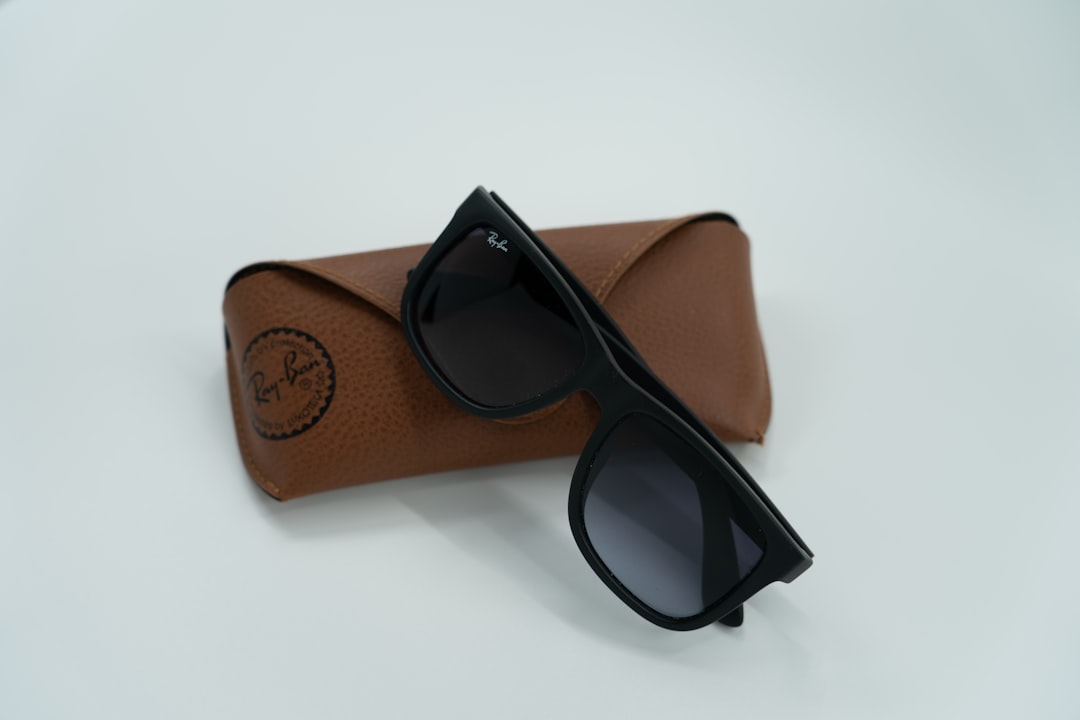
Ray-Ban Sunglasses for Men: Complete Buying Guide
I once bought a pair of "Ray-Bans" from a guy on a beach boardwalk who swore they fell off a truck — which, in retrospect, is not the origin story you want attached to something sitting millimeters from your actual eyeballs. They looked convincing from six feet away. Up close they had the optical clarity of a dirty shower door and hinges that squeaked like a haunted door in a budget horror film. That twenty-dollar lesson cost me exactly what fake sunglasses always cost: nothing upfront, and then your corneas pay the interest later.
Ray-Ban has been running this particular optical con — the one where ordinary humans briefly inherit the swagger of Tom Cruise in Risky Business or the magnetism of Lenny Kravitz — for nearly ninety years. According to British GQ, the label has spent almost a century cooking up sunglasses that somehow give everyday Joes the same presence as cultural icons. This guide is everything I wish someone had handed me before I handed cash to Boardwalk Guy: real prices, model comparisons, lens tech decoded, and the authentication checklist that separates a genuine pair from expensive plastic theater.
What Ray-Bans Actually Cost (And What You're Paying For)
Standard non-prescription Ray-Bans typically land between €100 and €250 in Europe, or roughly $150 to $300 in the US — which, for context, is about the price of a decent dinner for two that you forget by Wednesday, except sunglasses are supposed to protect your eyes for four-plus years. Press Hive puts the sweet spot at €150–€250 for an authentic pair that outlasts the seasonal fake cycle.
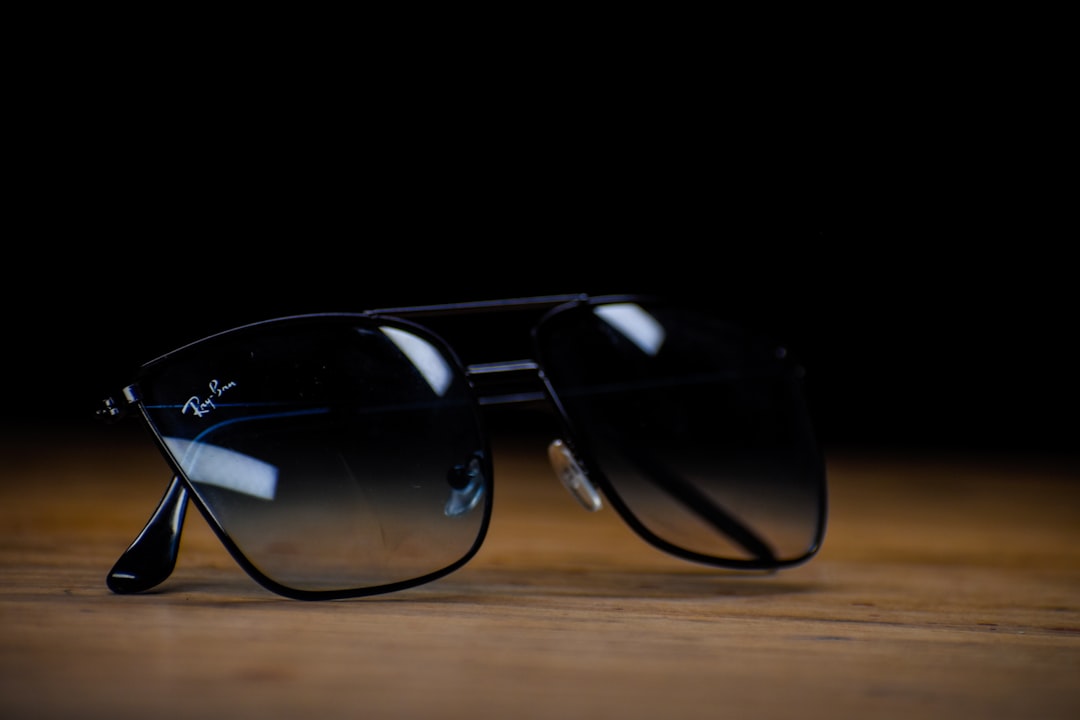
Here's the model-by-model breakdown from current authorized retailer pricing:
- Original Wayfarer RB2140 — from £155 / €183. Introduced in 1952 by designer Raymond Stegeman; James Dean and Muhammad Ali wore it. The thick acetate trapezoid frame that basically invented "effortlessly cool."
- New Wayfarer RB2132 — from £144 / €145. Same DNA as the RB2140 but smaller and less angular — built for medium and smaller faces that get swallowed by the original.
- Aviator RB3025 — from £155 / €173. Born in 1937 for US military pilots; teardrop lens, thin metal frame. The G-15 green lens blocks 85% of visible light.
- Clubmaster RB3016 — from £155 / €160. The 1986 browline classic: acetate upper rim, metal lower. Semi-rimless attitude.
- Caravan — from £155. Squared-off aviator alternative, introduced 1957.
- Round Metal — from £202 / €170. Circular lenses for when you want John Lennon energy without the actual Lennon lifestyle.
- Erika RB4171 — from €110 / £139. Softer, rounder — the budget-friendly entry point.
- Hexagonal RB3548N — from £155 / €122. Angular geometry for round faces that need structural intervention.
Prescription lenses add €50–€150 depending on coatings. Chromance and polarized upgrades push prices toward £200–£232. Ray-Ban Meta smart glasses? Entirely different tax bracket — €247 to €499. We're talking about classic sunglasses here, not face-mounted computers.
Which Ray-Ban Style Is Best for Men?
The best Ray-Bans share what Mengotti Couture calls a design logic that was "sound from inception" — proportions that didn't need trend-chasing because they got it right the first time. Fashion cycles; Ray-Ban's core silhouettes just sit there, smug and correct.
Face Shape Matching (The Part Everyone Gets Wrong)
Think of your face as a shape that certain frames either harmonize with or fight against like two magnets forced together wrong-side-out. According to Gafas Canarias, oval faces win the genetic lottery — virtually any model works. Square faces need rounder frames (Erika, Round Metal). Round faces need angular counterweights (Clubmaster, Hexagonal). Heart-shaped faces? Aviator, Wayfarer, Clubmaster all play nicely.
The Big Three Compared
Aviator RB3025 flatters oval, square, and heart shapes. Military heritage, teardrop lens, metal temple bars. If your face has any angularity, this is the default "yes."
Original Wayfarer RB2140 is the thick acetate statement piece — best on oval, round, and heart faces. Heavier on the face, heavier on the cultural weight. British GQ treats it as the foundational pick.
Clubmaster RB3016 splits the difference with its browline acetate-meets-metal construction. Intellectual without trying. Oval and heart shapes especially.
I own a Wayfarer and an Aviator and I wear the Aviator more — which proves nothing except that "best" is a face-shape equation, not a universal decree handed down from Luxottica headquarters.
Are Ray-Bans Worth the Price?
Every Ray-Ban lens delivers 100% UVA/UVB protection regardless of lens type — that's the baseline you're actually buying, not the logo. Gafas Canarias emphasizes that beyond aesthetics, the optical lens quality is where Ray-Ban separates itself from the $15 rack at a gas station.
Genuine pairs carry a 2-year warranty against manufacturing defects. Frames are cut from single-piece acetate with no visible seams. Hinges are metal — classic Wayfarers use a distinctive seven-prong hinge (three prongs one side, four the other) that counterfeiters consistently butcher. You're paying for lens clarity, UV coating that actually exists, and construction that survives being sat on once (maybe twice, if you're lucky).
The counter-argument: EssilorLuxottica owns Ray-Ban and enforces strict discounting — anything more than 30% below MSRP from a random seller should trigger your Spidey sense, per FramesDirect. You're partly paying a brand premium. But as Press Hive bluntly puts it: spending €150–€250 on authentic shades that last four years beats buying cheap fakes every season. The math isn't complicated — it's just annoying when you're staring at the price tag.
Ray-Ban Lens Technology: G-15, Polarized, Gradient, Chromance
Lenses are where the real engineering lives. The frame is theater; the lens is the optician.
G-15 (Green) — Ray-Ban's original lens from 1937. Transmits 15% visible light (11% in polarized versions). Smoky grey-green that provides natural vision and relaxes the eyes. According to SportRx, G-15 was designed to block harsh UV while delivering "the most comfortable visual experience yet." The Aviator's default.
B-15 (Brown) — Also 15% VLT. Enhances contrast and depth perception. Better when you need to read terrain — hiking, driving through variable light.
Polarized — Coating that blocks horizontal light waves from reflective surfaces. Kills glare off water, windshields, snow. Marked with a "P" next to the Ray-Ban logo on the right lens. Non-negotiable for driving and anything aquatic.
Gradient — Solid color fading to transparent (18–43% VLT range). Built for low-to-medium light: outdoor cafés, city walking when the sun isn't trying to murder you.
Chromance — Ray-Ban's newest tier. Multi-layer polarization plus enhanced color filtration. Brighter colors, sharper contrast, better clarity in bright light. All Chromance lenses are polarized. Mengotti Couture describes them as superior color saturation over standard polarized — the upgrade path if you live somewhere obnoxiously sunny.
How to Tell If Ray-Bans Are Authentic
Counterfeit Ray-Bans are a public health problem wearing a fashion disguise. Fake lenses often lack UV coating entirely — so you get darker vision without protection, which is worse than no sunglasses because your pupils dilate behind tinted plastic. LegitCheck.app puts it cleanly: "Fake Ray-Bans always have text that is either too thick or excessively thin."
Here's the authentication gauntlet — run every pair through it:
- Right lens: Cursive Ray-Ban logo near the top. Polarized models add a "P" beside it.
- Left lens: Subtle "RB" etched into the glass — not painted, not glued. Tilt toward light; it should be barely visible. Too thick and opaque? Fake.
- Hinges: Metal, smooth action, no squeaking. Wayfarers: seven-prong hinge pattern. EyeBuyDirect notes fakes use "cheap, loosely constructed hinges that squeak when you open them."
- Nose pads: "R·B" inscribed on the metal inlay center of each pad.
- Left temple (inner): Model number starting with "RB" plus frame size — clearly printed, won't rub off.
- Right temple (inner): Manufacturing location. "Polarized" printed here if applicable.
- Frame quality: Single-piece acetate, smooth finish, no seams or blemishes. Lenses: crystal or polycarbonate with sharp clarity.
- Packaging: Protective case, microfiber cloth, information booklet. Barcode on box matching temple inscriptions.
"Authentic Ray-Ban hinges are typically metal, and the temple arms should open and close smoothly. Counterfeit Ray-Ban frames may have plastic or lower-grade metal hinges, lacking the quality and durability of authentic Ray-Ban materials."
I check all of this now because Boardwalk Guy taught me that convincing fakes exist — but convincing UV protection does not come in a $20 package.
Where to Buy Ray-Bans (And When They Go on Sale)
Authorized retailers — Ray-Ban.com, Sunglass Hut, Vision Express, FramesDirect, EyeBuyDirect. Full MSRP, guaranteed authentic, warranty intact. Boring. Correct.
Authorized online discounters — Legitimate sales typically cap around 30% off MSRP due to EssilorLuxottica's pricing rules. FramesDirect and similar certified retailers occasionally run seasonal promotions. Vision Express had Wayfarer Reverse models at £92 down from £184 — half off on specific SKUs during sales events.
Red flags: eBay sellers with no return policy. Amazon third-party listings priced 50%+ below retail. Street vendors. That guy on the boardwalk. If the discount looks like a typo, it probably is — and the typo is your eyesight.
Ray-Bans do go on sale — end-of-season clearances, Black Friday, summer transitions. New collection drops often push previous-season stock to 20–30% off at authorized dealers. The trick is buying from sellers Luxottica actually supplies, not from "Designer Shades Warehouse" operating out of a PO box.
The Short Version
Ray-Bans for men cost €100–€250 for classics, with Aviator, Wayfarer, and Clubmaster as the three pillars worth knowing. Every lens blocks 100% UV; G-15 and B-15 are your daily drivers, polarized kills glare, Chromance is the premium tier. Authentic pairs announce themselves through etched RB logos, metal hinges, temple inscriptions with consistent font weight, and packaging that doesn't feel like it was assembled in someone's garage.
Pick the model that matches your face shape, buy from an authorized retailer or a discounter within the 30% rule, and wait for a sale if you're not in a hurry. Your boardwalk days should be behind you — unless you're walking the boardwalk in genuine Aviators, in which case carry on. You've earned it.