
Which Home Tap-Water Treatment Fits My Contaminant?
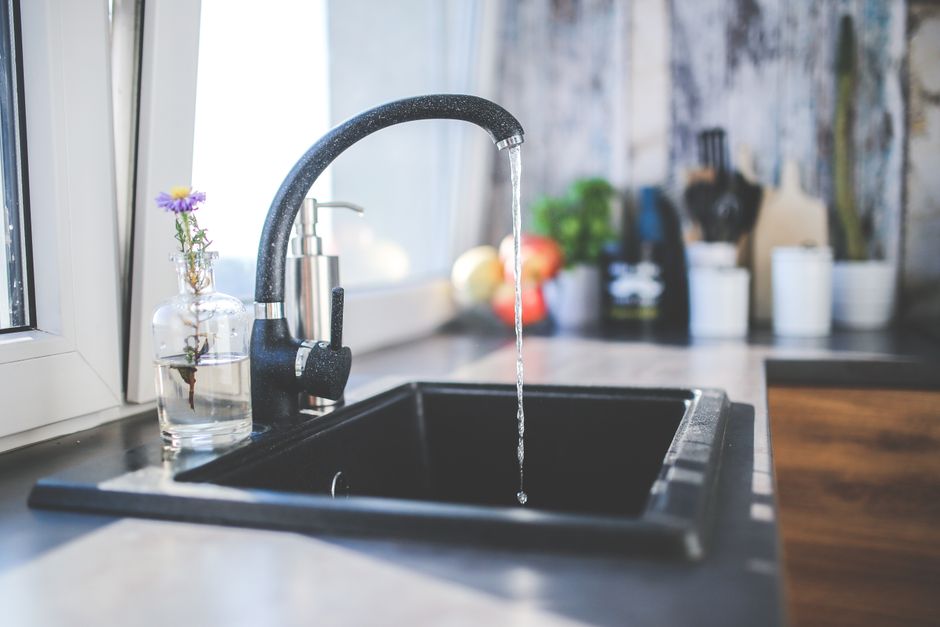
Choose tap-water treatment only after naming the problem: use an NSF/ANSI 42-certified device for chlorine taste or odor, a filter specifically certified for lead reduction when plumbing is the concern, and germ-rated filtration, reverse osmosis, UV, or distillation when testing identifies microbial risk. Boiling does not remove lead, and no single treatment removes every contaminant.
The first purchase is not a pitcher or a machine. It is a diagnosis.
Public-water customers can begin with their utility's annual Consumer Confidence Report. Homes using a private well need a different starting point: the U.S. Environmental Protection Agency recommends annual testing for total coliform bacteria, nitrates, total dissolved solids, and pH. A change in odor, color, or taste also calls for testing.
Does boiling tap water remove lead, chlorine, or other chemicals?
No. Boiling does not remove lead. EPA states this directly: “No, boiling water does not remove lead.”
Lead is a plumbing problem until testing proves otherwise. It cannot be seen, smelled, or tasted, and EPA says testing is the only sure way to know whether harmful quantities are present. Its public-water monitoring action level is 0.015 mg/L, or 15 ppb; this is not a household test result or a promise that any untested tap is clear.
For chlorine taste or odor, EPA's WaterSense guide points to a device certified to NSF/ANSI 42. That is an aesthetic-effects standard. It does not turn a taste claim into a broad health-contaminant claim.
The supplied public guidance does not establish boiling as a remedy for chlorine or every chemical. Treatment is not one task. It is a set of separate tasks.
| Water concern | Useful starting point | What to verify |
|---|---|---|
| Chlorine taste or odor | Point-of-use filter | NSF/ANSI 42 certification |
| Lead from plumbing | Certified point-of-use filter | Specific lead-reduction claim and replacement directions |
| Cryptosporidium or Giardia | Certified cyst filter or reverse osmosis | NSF 53 or 58, or an absolute pore size of 1 micron or smaller |
| Bacteria, parasites, and viruses | Reverse osmosis or UV with pre-filtration | The model's germ-treatment claim and required maintenance |
| Private-well contamination | Laboratory testing before treatment | The treatment claim for the measured contaminant |
Is a pitcher filter enough to make tap water safe?
No, not as a blanket answer. The Centers for Disease Control and Prevention says most home pitcher and refrigerator filters are not designed to remove germs; they commonly use activated carbon to improve taste and odor or reduce some heavy metals.
A pitcher is a point-of-use system. So are faucet filters, countertop units, and under-sink units. EPA identifies these as systems for drinking and cooking water. The format says where the device sits. It does not say what it removes.
Read the certification and the model claim. NSF explains that NSF/ANSI 53 covers filters certified to reduce contaminants with health effects, while NSF/ANSI 58 covers reverse-osmosis systems. A product certified to one standard does not remove all contaminants.
For Cryptosporidium and Giardia, CDC lists three useful routes: an NSF 53 or 58 filter certified for cyst reduction or removal, a filter with an absolute pore size of 1 micron or smaller, or reverse osmosis. For bacteria and parasites, CDC identifies filters with an absolute pore size of 0.3 micron or smaller. Reverse osmosis can remove parasites, bacteria, and viruses.
Maintenance decides whether the label still means anything. EPA advises replacing lead filters according to manufacturer directions because expired filters can become less effective. The same buying discipline used to judge sale furniture before you commit applies here: inspect the claim, the limits, and the recurring work before buying the object.
When is reverse osmosis worth the cost and wastewater?
Reverse osmosis is worth the trade-off when testing or a utility report identifies contaminants that the chosen RO model is certified to reduce, and a simpler certified device does not meet that need. It is not the default answer for every tap.
CDC says reverse osmosis can remove parasites, bacteria, viruses, and some chemicals, including lead, copper, chromium, chloride, and sodium. The chemical claim still belongs to the specific model. Check its label rather than treating “RO” as a complete answer.
EPA's WaterSense guide says reverse osmosis can reduce sodium, dissolved inorganics, organics, nitrates, pesticides, dioxins, chloroform, and petrochemicals depending on the unit. It also says RO does not remove every inorganic or organic contaminant, removes minerals such as calcium, can be costly, and can produce a large quantity of reject water. Select a WaterSense-labeled RO system to waste less water.
Other systems serve narrower jobs. CDC says microfiltration removes parasites such as Giardia and Cryptosporidium but not viruses or chemicals such as lead and arsenic. UV treatment with pre-filtration addresses parasites, bacteria, and viruses, yet does not remove chemicals. Distillation can remove lead, nitrate, sodium, sulfate, germs, and many other chemicals, though some volatile organic compounds, volatile solvents, and certain pesticides can carry over with water vapor.
The filter follows the problem
Start with taste, plumbing, germs, or a private well. Then use the report or a certified laboratory result to select a treatment claim.
Whole-house systems treat larger quantities of water and can cost several thousand dollars to install, according to EPA. That scale fits a whole-home problem. A drinking-water problem often belongs at the tap.
Certification is not a halo. It is a boundary.
Frequently Asked Questions
How do I choose a filter for lead, chlorine, or Cryptosporidium?
Match the filter to the contaminant, not the package shape. For chlorine taste or odor, EPA points to NSF/ANSI 42 certification. For lead, EPA advises an independently tested and certified filter with a lead-reduction claim. For Cryptosporidium, CDC lists NSF 53 or 58 cyst-reduction certification, an absolute pore size of 1 micron or smaller, or reverse osmosis.
Should I test my tap water before buying a filter?
Yes. EPA says testing is the only sure way to determine whether harmful quantities of lead are present, since lead cannot be seen, tasted, or smelled. Public-water customers can review their annual Consumer Confidence Report; private-well users should test annually and use a state-certified laboratory.
How often do water filters need to be replaced?
Replace a filter on the schedule set by its manufacturer. EPA warns that expired filters can become less effective. The replacement schedule is part of the treatment system, not an optional extra.
Sources
- U.S. Environmental Protection Agency: Frequent Questions About Lead in Drinking Water
- Centers for Disease Control and Prevention: Choosing Home Water Filters
- U.S. Environmental Protection Agency WaterSense: Home Water Treatment Guide
- Centers for Disease Control and Prevention: Home Water Treatment Systems
- NSF: Standards for Water Treatment Systems
- U.S. Environmental Protection Agency: Protect Your Home's Water
Related reading
Compact Teak Shower Stool: Fit First, Buy Second
Measure, compare height, check traction, and maintain a compact teak shower stool for a safer small shower or bathroom.

Can My Local Habitat for Humanity Help Replace My Roof?
Find out when a local Habitat affiliate can help with roof replacement, what income and mortgage rules apply, and what to prepare.

How Do I Choose a Quiet Portable Inverter Generator for My Home?
Choose a quiet portable generator with an essential-load plan, noise and fuel checks, and a safe outdoor setup.
Which Kitchen Updates Will Still Look Good in 2026 and Beyond?
Plan a 2026 kitchen around lasting function, then use flexible accents for trend. Compare white, wood, and colored cabinets with a practical 10-year test.