
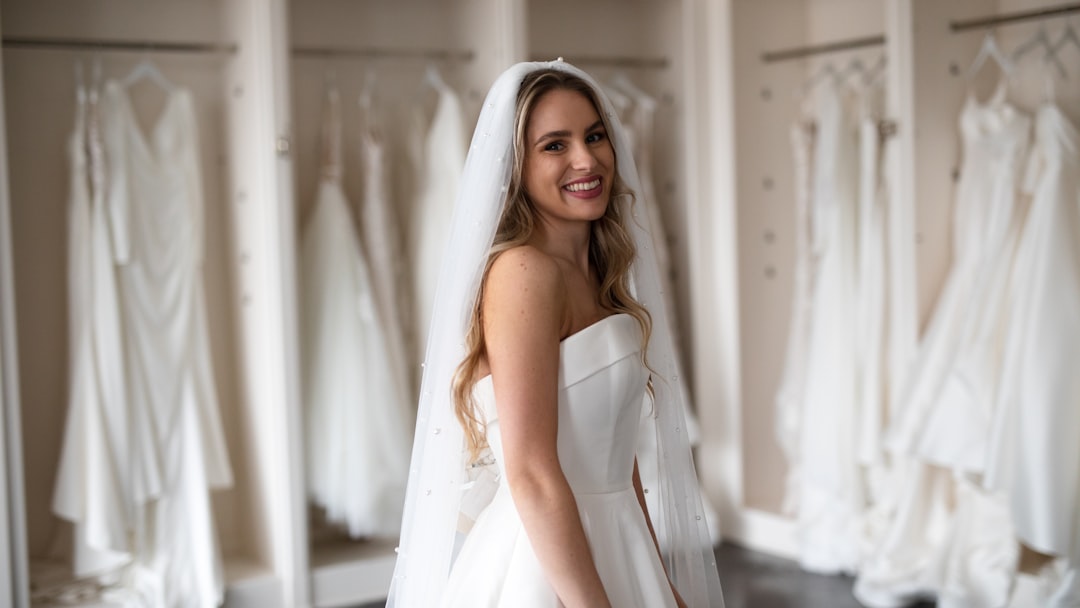
Modern Wedding Dress Trends: Minimalist Bridal Fashion
Picture this: you're standing in a bridal salon staring at a gown with enough tulle to smother a small horse, and the consultant is nodding like you've just made a profound life choice. Meanwhile, your Pinterest board is nothing but slip dresses, dropped waists, and one very specific brown silk thing that would look incredible at a rehearsal dinner and then again at your cousin's christening three years later. That cognitive whiplash — the salon's "traditional bridal" gravity versus what you actually want to wear — is basically the entire modern wedding dress conversation in 2025. And the numbers back up your gut feeling that the old one-dress-one-day model is crumbling.
According to Research and Markets, the global wedding dress market hit $14.98 billion in 2026, growing at 4.8% annually, with contemporary minimalist designs overtaking ornate traditional gowns as the dominant preference. I'm going to walk through what modern bridal actually looks like right now — silhouettes, fabrics, sleeves, where to buy, and how to accessorize without turning your clean-lined gown into a costume.
What Makes a Wedding Dress Modern (and Not Just "Not White")
Here's the thing about calling something "modern" in bridal: it's not about rejecting tradition for the sake of looking edgy on Instagram. A modern wedding dress is a structural decision. Traditional gowns tend to announce themselves — cathedral trains, heavy lace appliqué, the kind of volume that photographs like a cloud and walks like a negotiation. Modern dresses do the opposite. They let fabric quality and cut carry the entire argument.
The clearest dividing line is versatility. Marie Claire UK quotes designers Rix and McColskey on a shift they've tracked since the pandemic: brides are actively fleeing one-time-wear gowns in favor of pieces they can re-wear on holiday, at christenings, at the rehearsal dinner that apparently everyone is now having. (81% of Gen Z and 73% of Millennial couples globally hosted a rehearsal dinner before their wedding in 2024, per The Knot data cited by Vogue — which is wild when you consider that used to be a fancy-people thing, not a near-universal wedding subroutine.)
Modern bridal also means multiple outfits per wedding. Vogue Business reports that 71% of weddings now span two to three days, and brides are building full wardrobes — ceremony gown, reception mini, something linen for the morning-after brunch. Weddings aren't a single dress moment anymore. They're a fashion week compressed into a long weekend.
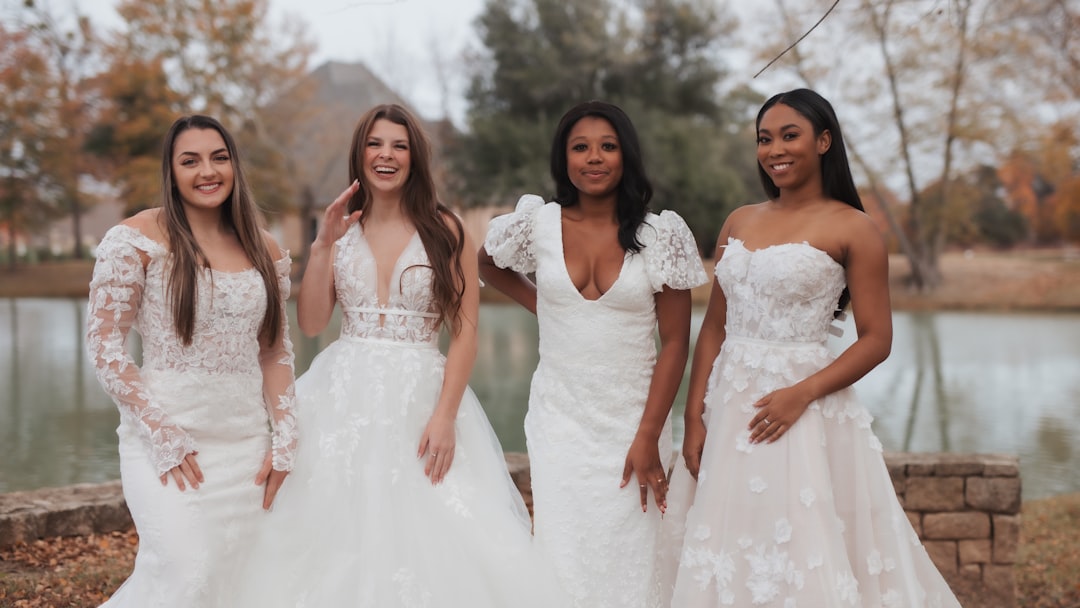
The Silhouettes Defining Modern Bridal Right Now
If you want to understand what a modern bridal silhouette actually is, stop picturing the princess ballgown and start picturing geometry. The silhouettes dominating 2025 are clean, structural, and weirdly nostalgic — which is the part that trips people up.
According to retail data from EDITED cited in Vogue, slip dresses saw 107% growth and cowl necklines surged 251% — numbers that, for context, mean these aren't niche TikTok trends anymore; they're what stores are actually selling out of. Drop-waist and basque-waist dresses are having what I'd call a Basque-Waist Reclamation Event — Gen Z Pinterest searches for basque waist styles jumped 36%, and the silhouette has gone so viral that "the basque waist is the new mason jar" is now a genuine cultural observation on TikTok. (I hate that this is accurate.)
A-line silhouettes still hold the crown — WifiTalents bridal statistics put them at 31% of bride preferences — but the modern version isn't the poufy skirt your aunt wore. It's a sculpted bodice, clean seam lines, maybe a slit you can actually walk in. Column and sheath cuts are the quiet-luxury options: bias slips, sleek sheaths, architectural seams that sculpt without shouting. Mini dresses are surging too, especially for day-two celebrations — Marie Claire UK notes brides want the floor-length ceremony moment and a party-ready short look for the afterparty.
Bridal separates — two-piece sets you can mix and match — keep climbing because they solve the Multi-Outfit Problem without requiring three full gowns. One great skirt, two bodices, done.
Fabrics, Sleeves, and the Comfort Revolution
Modern wedding dress fabrics are doing a specific job: they need to photograph like liquid and feel like something you'd actually want against your skin for six hours. Satin, silk crepe, and bias-cut fabrics lead the pack — Lulus's 2025 trend report (via Nasdaq GlobeNewswire) shows tulle usage up 138% and mesh up 52%, reflecting brides gravitating toward lighter, more ethereal materials rather than heavy structured crinoline situations.
Linen is having a moment for destination and warm-weather weddings — Marie Claire UK calls it "relaxed, effortless elegance," which is the vibe when your wedding is on a Greek island and not in a ballroom with aggressive air conditioning. Sequins and high-shine fabrics are the counter-move: modern doesn't mean boring, it means intentional glamour rather than default sparkle.
And yes, sleeve trends are shifting. Cap sleeves and delicate lace-accented sleeves lean vintage-modern — part of the broader move toward pieces with post-wedding life. Corset-style bodices appear in 35% of new designer releases for 2025-2026 per WifiTalents data, which tracks with the structural waist emphasis across basque and drop-waist silhouettes. The bigger story underneath all of this: 55% of brides now prioritize comfort over traditional aesthetics. The modern sleeve isn't about coverage rules — it's about whether you can raise your arms for the bouquet toss without performing a structural engineering test.
Lace hasn't abdicated — it still appears in 65% of bridal designs — but on modern gowns it shows up as texture rather than territory. A lace panel, a sheer sleeve, not a full lace bodice that looks like it was crocheted by a very ambitious grandmother.
Where to Buy Minimalist and Modern Wedding Dresses
The bridal market has exploded past traditional salon-only shopping. The global bridalwear market was worth $65.5 billion in 2024, forecast to reach $83.5 billion by 2030, according to Vogue Business — and a chunk of that growth is brands that never used to do wedding dresses at all. The Business of Fashion notes that mass retailers and emerging labels are flooding into bridal because Gen Z and Millennial brides want unconventional options and multiple ensembles, and social media engagement on bridal content is disproportionately high compared to ready-to-wear.
For minimalist shopping specifically, you've got tiers:
- Contemporary designer houses — Halfpenny London (15% year-on-year growth, bespoke from £25,000), Danielle Frankel leading the drop-waist movement, labels like Alon Livné at Kleinfeld for sculptural minimalism
- Accessible modern bridal — Lulus (wedding dress searches up 258% year-over-year on their site), brands expanding into bridal with clean silhouettes at lower price points
- Salon destinations — Kleinfeld Bridal in New York for curated minimalist collections; Caroline Castigliano in London's Knightsbridge for couture with modern structure
- Ready-to-wear crossover — 25% of modern brides prefer a ready-to-wear bridal look over traditional made-to-order, per WifiTalents — and retailers like Ssense have shoppable bridal boards featuring non-bridal designers (Issey Miyake, Simone Rocha, Sandy Liang) with 20% of styles selling out entirely
Budget-friendly doesn't mean compromising on the modern aesthetic. Pre-loved platforms, rental models (Research and Markets flags rental and reuse as major market drivers), and separates that you can wear as standalone pieces all stretch a wedding wardrobe without forcing you into a $5,000 tulle monument.
How to Style a Modern Wedding Dress Without Overdoing It
Modern gowns punish bad accessorizing. The whole point is that the dress is the statement — so everything else needs to operate at a lower volume.
Veils are actually trending harder than you'd expect for a minimalist bride. Vogue reports Gen Z Pinterest searches for drape veils up 479%, drop veils up 185%, and cathedral veils up 218% year-over-year. The move is a sheer, unstructured veil with a clean gown — not lace-trimmed cathedral drama paired with a lace dress (that's two loud voices talking at once).
For jewelry: think single-statement. One pearl earring moment, a thin gold chain, bare wrists. Hair in a low chignon or sleek pony keeps the neckline — especially cowl or square — as the focal point. Shoes can carry personality since the dress is restrained; a sculptural heel or even a clean white sneaker for the reception works.
Brown bridal is the curveball trend nobody saw coming — UK arrivals of brown wedding dresses increased 262% year-on-year, with Pinterest searches up 451%. If your modern gown isn't white, your accessories should follow the dress's color story rather than defaulting to "bridal white everything."
The Takeaway: Modern Bridal Is a Wardrobe, Not a Monument
Modern wedding dress trends aren't a rejection of romance. They're a rejection of the idea that romance requires 40 yards of fabric and a garment you'll never touch again. Clean lines, dropped waists, slip silhouettes, linen separates, and comfort-first construction are what 2025 brides are actually buying — backed by retail data, not just mood boards.
Start with the silhouette that matches your actual wedding (not the wedding you think you're supposed to want). Pick fabric that moves. Build a small wardrobe if your celebration spans multiple days. And accessorize like the dress is already doing the heavy lifting — because on a modern gown, it is. I still almost bought the tulle monster, by the way. The consultant was very persuasive. But the slip dress is the one I'll wear again, and that's the whole modern bridal argument in one sentence.