
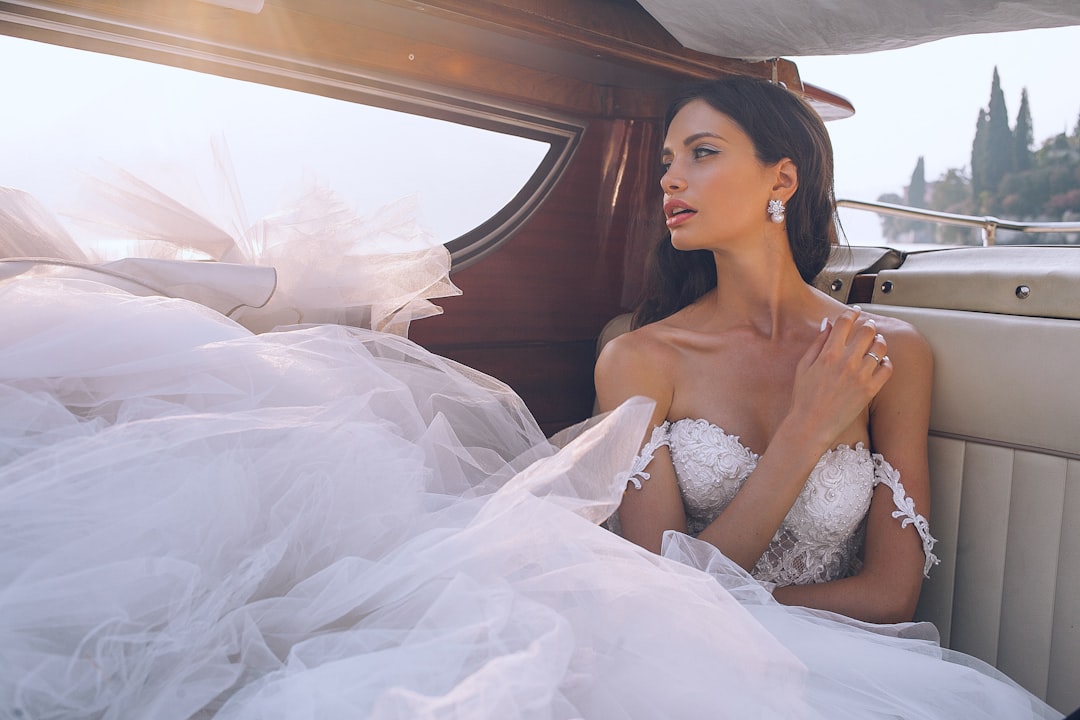
Elegant Cohesive Wedding Style: Ceremony to Reception
Picture this: you are standing in a bridal suite at 4:47 p.m., holding a dress you bought because the Instagram algorithm decided you were "classic romance girl" — and your actual wedding weekend is giving "island formal with a side of beige rebellion." The shoes do not match the invitation suite. Your maid of honor is wearing a color you described once, vaguely, over a group text that nobody pinned. This is what I call the Cohesion Collapse Event: that specific moment when every individual outfit is fine, but together they look like strangers who wandered into the same vineyard by accident.
I have done this. I once treated wedding style like a Pinterest board free-for-all and then wondered why my photos looked like a sample sale exploded. The fix is not buying more stuff. It is building what I think of as a Style Spine — one visual through-line that runs from your ceremony dress through your reception look, your bridal party, and even what you tell your guests to wear. Here is how that actually works.
Your Mood Board Is the Contract, Not the Decoration
Before you touch a hanger, you need a mood board — and I mean a real one, not three screenshots and a prayer. Real brides like Alexis, profiled by Who What Wear, built an invitation suite first: light browns, reds, soft blues. That palette did not live on paper. It showed up in her seven looks across the wedding weekend, in her mother's maid-of-honor dress, and in the "island formal" dress code she gave guests with curated boards. That is cohesion at scale — like a film where every costume department got the same brief.
According to Harper's Bazaar, florists Putnam & Putnam put it plainly: "A specific flower isn't going to make or break your wedding, it's really about how it's all put together." Swap "flower" for "hemline" and you have the whole philosophy. Elegance is assembly, not a single hero piece.
Start your board with four anchors: a color palette (two main tones, one accent), a fabric family (satin, lace, linen — pick a lane), a silhouette mood (structured tailoring versus fluid drape), and a venue reference photo. If your venue is a formal city ballroom, Harper's Bazaar recommends taking cues from the setting itself — black and white for urban formality, linen and lace for beach destinations. Match the dress to the room, not the other way around.
The Ceremony-to-Reception Wardrobe Shift
Modern weddings are not one-dress affairs anymore. Harper's Bazaar notes that brides now need looks spanning engagement parties, rehearsal dinners, ceremonies, after-parties, and farewell brunches — a wardrobe arc, not a single outfit climax. Think of it like a concert setlist: the ballad and the encore serve different energies, but they belong to the same artist.
For Spring 2027, Who What Wear reports that two-piece skirt sets are having a moment — high-fashion tailoring you can mix and match between ceremony and after-party. Slip into a shorter skirt for dancing. Keep the same embellished top. One bride wore a custom Lein two-piece lace set in blush-toned organza for her ceremony, proving, as Who What Wear quoted, that "the bridal aura isn't created by color; it's an energy."
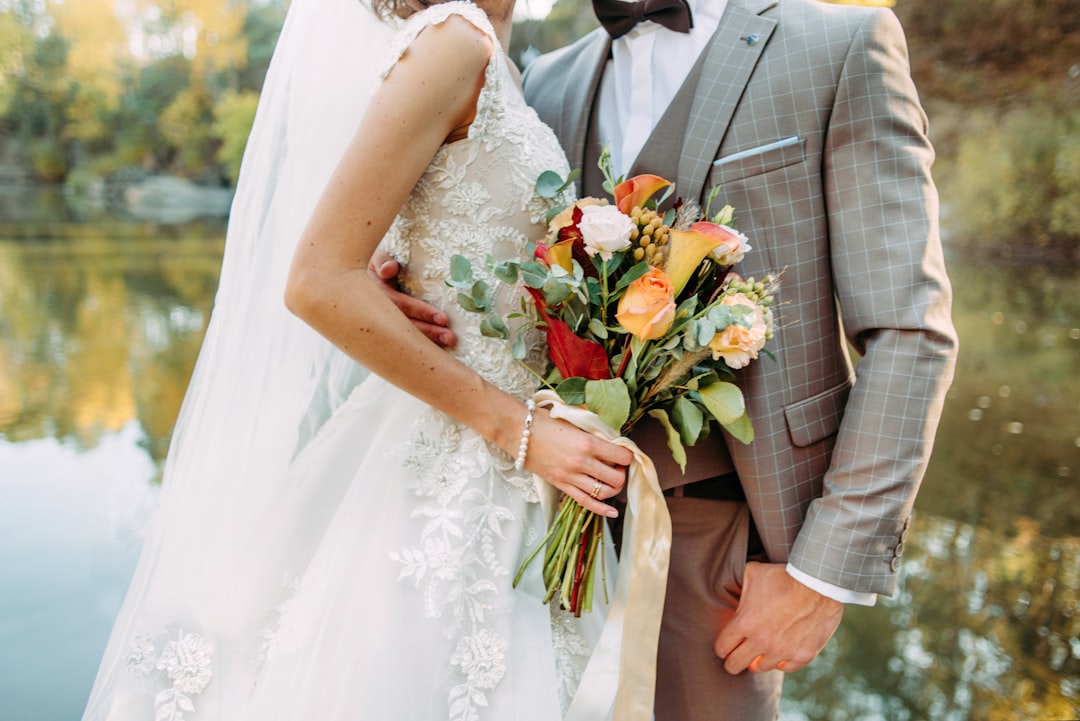
The after-party swap is where most brides either unlock elegance or lose it entirely. Harper's Bazaar suggests a shorter dress for energy and comfort — but keep one accessory constant. Same pearl earrings from rehearsal to dance floor. Same hair piece. That single repeated element is your visual bookmark; it tells the camera, and your grandmother, that you are still the bride, just in party mode.
Coordinating the Bridal Party Without Looking Like a Catalog
Bridal party coordination is where good intentions go to become matching bridesmaid dresses from 2011. The elegant move is tonal coordination, not clone coordination. Alexis asked her mother — her maid of honor — to wear a specific shade of beige from Silvia Tcherassi. One exact color, one exact designer reference. Everyone else worked within the palette. That is precision, not uniformity.
Harper's Bazaar offers a bolder idea: "Why not have both parties wear head-to-toe ivory? It's cohesive, refined, and challenges convention." Imagine your entire wedding party in varying textures of ivory — matte crepe, glossy satin, raw linen — like a monochrome painting where depth comes from material, not color. Post-pandemic, the only real rule is wear what you love; cohesion comes from intention, not tradition.
Give your party three things: the palette, the fabric direction, and the formality level. Let them choose silhouettes that flatter their bodies. Elegance is a range, not a uniform.
Accessories, Color, and the Expensive Look on a Real Budget
Accessories are where elegance gets its punctuation marks. For Spring 2027, Who What Wear reports headpieces and hair accessories replacing traditional veils — sculpted calotte caps, lace headbands, Juliet caps. A single dramatic headpiece can elevate a simpler dress the way one good sentence can rescue a mediocre paragraph.
Do not fear color. Harper's Bazaar encourages hues like red, gold, and dusty pastels — shades that read bridal across cultures, not just in a bridal salon. Designers are moving toward creamy yellows and dusty pinks instead of stark white, which means your cohesion palette can be warmer and more personal.
Luxury detail sets the bar for what "expensive" looks like: House of Gilles gowns require over 200 hours of hand-cut feather work, per Who What Wear. That is roughly five full work weeks in a single dress — a scale comparison that explains why a $200 satin slip from a guest-dress roundup can still look elegant if the fit is right and the accessories are deliberate. Silky slips, butter yellow hues, and beaded midis at accessible price points are trending for wedding guests and can inspire affordable bridal after-party looks too.
For cooler climates, layer with intention: sheer sleeves, structured jackets, or coats over the shoulders. A jacket is not a backup plan; it is a second act costume change that keeps the silhouette polished when the temperature drops.
Seasonal Styling and the Final Cohesion Check
Season shapes fabric choice the way venue shapes color. Spring and summer favor lighter textures — organza, lace, linen. Fall and winter call for weight: velvet accents, heavier satins, layered outerwear. The Style Spine stays the same; the material vocabulary shifts.
Before you finalize anything, run the Weekend Scroll Test: lay out every look — welcome party, ceremony, cocktail, reception, after-party — side by side. Squint at them like you are viewing thumbnails. Do they look like they belong to the same person with the same taste, or like five different women who share a wedding date? If it is the latter, adjust one element — usually color temperature or accessory metal — until the thread appears.
Vera Wang told Harper's Bazaar that dressing a woman on her wedding day is "one of the biggest responsibilities and connections you have to make." That is not pressure for perfection. It is permission to treat your wardrobe as a relationship you are building with yourself across one very long, very photographed weekend.
What to Do Next
Build the mood board before the dress. Plan at least two looks — ceremony and reception — that share one anchor piece. Coordinate your party through palette and texture, not identical dresses. Match your fabrics to your venue and season. And when someone tells you a bride must wear white all weekend, remember what real modern brides already know: cohesion is an energy you design, not a color you inherit.
I still have that wrong-algorithm dress in a garment bag. It taught me that elegance is not about having the most options — it is about making every option answer to the same visual story. Start there, and the rest of the weekend follows.