
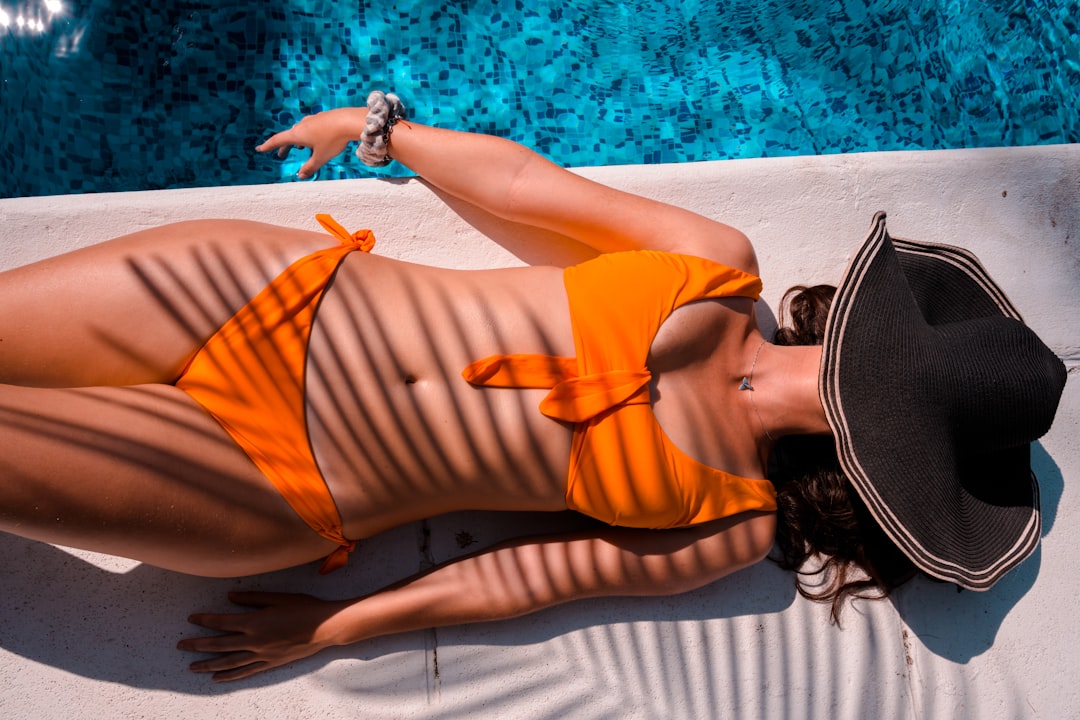
Best Affordable Swimwear Brands That Actually Last
Last July I stood in a Target dressing room holding two swimsuits — one $28, one $89 — and realized I had absolutely no idea which one would survive more than six pool weekends before turning into a sad, chlorine-drunk ghost of itself. The fluorescent lights were not helping. Neither was the fact that I'd already bought three "bargain" suits that season that had gone saggy at the leg openings like deflated party balloons. If you've ever felt that specific dressing-room dread — the one where cheap fabric whispers "I will betray you mid-backstroke" — this is the guide I wish someone had handed me before I burned another summer's budget on what I now call Single-Season Swimwear Syndrome.
I'm going to walk you through the brands that actually deliver value under $50 (and a few slightly-above-$50 options that earn their price through sheer stubborn longevity), where to buy them without getting scammed by fake reviews, and how to tell whether a $25 suit is a steal or a chlorine time bomb waiting to happen.
The Brands That Punch Above Their Price Tag
According to the Good Housekeeping Institute, their Textiles Lab evaluated more than 50 swimsuits — dunking them in seawater, chlorine, sweat, and UV rays like some kind of aquatic torture chamber — and several budget-friendly names came out looking surprisingly intact. That's not marketing copy; that's fabric being abused at industrial scale so you don't have to find out the hard way at your cousin's pool party.
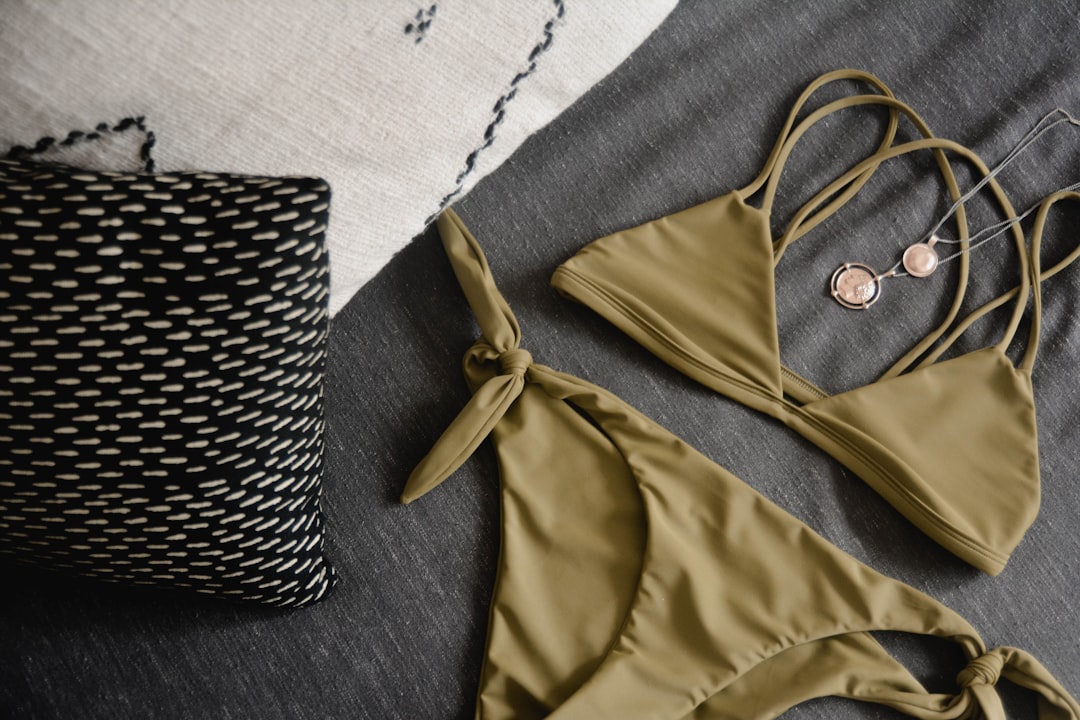
Cupshe ($20–$45)
The Cut highlights Cupshe as a standout in the under-$50 category, with bikini sets running around $32–$40 sold as complete sets rather than forcing you to buy mismatched top and bottom sizes separately — a small detail that saves real money when your torso and hips refuse to cooperate with standard sizing. Testers at Good Housekeeping noted the affordable price and fast Amazon shipping "can't be beat," with one person admitting they'd worn suits costing three times as much but kept reaching for their Cupshe anyway. Imagine owning a $120 designer bikini and still grabbing the $32 one — that's not thrift, that's the suit winning on merit.
Tempt Me on Amazon ($15–$42)
Good Housekeeping's analysts tested Tempt Me's High-Neck Plunge Ruched Swimsuit and every single one of ten testers rated it "flattering" — a unanimity rate that, in swimwear testing, is basically a miracle. One analyst reported it held up year after year with minimal fading. At $15–$42, that's the kind of cost-per-wear math that makes financial advisors nod approvingly even if they'd never say so out loud.
Pink by Frankies Bikinis ($40)
If you've ever scrolled Frankies Bikinis at 2 a.m. and felt your wallet physically recoil, The Cut has a fix: the brand's Victoria's Secret Pink collaboration delivers styles that are "almost identical to Frankies Bikinis — except it's half the price." Same aesthetic energy, half the guilt. The Cut's 2026 roundup also flags H&M one-pieces around $45 and Amazon's Pink Queen string bikinis at roughly $19 with over 20,000 reviews — which, for context, is more customer feedback than some small towns have residents.
Target's Kona Sol and Shade + Shore ($20–$40)
PatPat's swimwear buying guide praises Kona Sol for excellent construction and inclusive sizing up to 26W, with in-store pickup and easy returns — a combination that matters enormously when fit is a gamble. These are your "one good summer" suits: perfectly fine if you swim occasionally and treat them gently, but not built for daily lap duty.
Shein ($6–$23)
Here's where I have to confess something embarrassing: I've absolutely ordered Shein swimwear because $12 for a full one-piece feels like finding money in a coat pocket. Reviewed by USA Today found the polyester-spandex fabric "isn't too thin to feel flimsy nor too thick and therefore unlikely to ever dry," with suits lined for modesty and seams that appeared "well sewn for the price point." But — and this is a big but — Shein doesn't allow swimwear returns, and fit was inconsistent across six suits ordered in the same size. Two tops too small, two one-pieces too loose, one perfect. That's a roulette wheel, not a shopping experience. Buy Shein if you're willing to gamble; don't buy it if you need a guaranteed fit for a specific trip next week.
Sporti ($35 and up)
For actual swimmers — not just pool-loungers — SwimSwam reports Sporti training suits run 30–50% cheaper than Speedo, Arena, or TYR while delivering roughly 80% of the longevity. A $35 suit lasting five months of daily practice works out to less than $0.35 per swim session — cheaper than the gum you'd probably chew on the pool deck. Their HydroLast polyester line survives a full season of heavy chlorination without becoming what the review memorably calls a "saggy parachute."
How to Spot Quality Construction Before You Buy
Budget swimwear isn't a monolith — there's a difference between "affordable because the brand skipped the markup" and "affordable because the fabric is one chlorine session away from surrender. Treeline Review — tested by a former competitive swimmer and lifeguard who put 20+ suits through years of kayaking, lap swimming, and alpine lake plunges — offers a useful framework for what actually matters.
Look for these construction signals:
- Chlorine-resistant fabric labels — especially nylon-elastane blends (88% nylon/12% spandex shows up in durable performers like Lands' End's Tugless One Piece)
- Double-lined construction — adds modesty and structural integrity; Shein's lined suits held up better in Reviewed's testing partly because of this
- Reinforced stitching at stress points — leg openings, strap attachments, and bust seams take the most abuse
- UPF protection — Lands' End and Columbia offer UPF 50+ and UPF 30 respectively, which matters if you're actually in the sun rather than just posting about being in the sun
Tumbleweed Thrift's brand comparison explains the material science in plain terms: polyester-elastane (common in budget swim) fades faster in chlorine than nylon-elastane (common in premium swim). Bright colors show noticeable fade after 8–12 pool wears; dark colors survive a full summer. Kona Sol bottoms, specifically, lose leg-opening elasticity after a single summer of regular pool use — which is fine if you know you're buying a one-season item, infuriating if you expected three years.
Where to Buy Cheap Swimsuits Online (Without Regret)
The cheapest suit you can find means nothing if returning it requires negotiating with a chatbot in a language you don't speak. Here's where the smart money goes:
- Amazon — Best for Tempt Me, Cupshe, Suvimiga (The Cut notes 13,000+ reviews on a $26 string bikini with users reporting "high quality" feel), and Pink Queen. Prime returns save you when fit goes wrong.
- Target.com and in-store — Kona Sol and Shade + Shore with easy returns and sizing up to 26W. Sign up for email alerts; Old Navy and Target both push seasonal sales early to list subscribers.
- Cupshe.com — Direct from the brand when Amazon stock is weird; mix-and-match sizes on bikini sets.
- LandsEnd.com — Not the cheapest upfront ($50–$165), but frequent sales bring pieces under $50, and customer reviews routinely mention three-, five-, even seven-year wear cycles that budget Target swim simply cannot match.
- H&M and Mango online — The Cut flags H&M one-pieces around $45 and Mango's online-exclusive plus-size line at $50–$70 per piece for sizes XL to XXL.
PatPat's guide makes a point worth tattooing on your brain: a $60–$80 swimsuit that maintains shape and support for three-plus seasons often beats a $20 suit that stretches and fades after one summer on pure cost-per-wear. That's not luxury justification — that's arithmetic.
Which Affordable Suits Actually Last More Than One Season?
This is the question that separates "cute for Instagram" from "survives real water." I rank durability tiers like a swimwear hunger games:
Tier 1 — Multi-year warriors ($50–$85): Lands' End consistently tops durability testing. Good Housekeeping found the material "incredibly durable" with colors holding through repeated laundering. Treeline Review's tester wore a Lands' End Tugless One Piece through a full summer of lap swimming without fading. Tumbleweed Thrift notes customer reviews mentioning three-to-seven-year lifespans — roughly triple what Target's polyester-elastane suits deliver at double the price, which means the "expensive" suit is actually cheaper per wear if you swim regularly.
Tier 2 — Reliable one-to-two-season performers ($35–$62): Andie Swim's Maui Bikini Top ($62) survived three years of heavy use including hot springs and a Wyoming polar plunge, per Treeline Review. Sporti's training line lasts a full competitive season of daily chlorinated abuse at roughly half the price of premium brands. Summersalt ($45–$145) used 1.5 million body measurements from 10,000 women to engineer fits across sizes 0–24 — their Sidestroke one-piece has what PatPat calls "cult status" for universally flattering fit, with 78% recycled polyamide and UPF 50+ protection.
Tier 3 — Single-season stoppers ($6–$40): Target Kona Sol, Shein, and most Amazon impulse buys land here. Tumbleweed Thrift estimates 20–30 wears before color fade and elasticity loss become visible — one season if you're lucky, two if you hand-wash, avoid chlorine, and stick to dark colors like you're running a swimwear witness protection program. Which, full confession, is exactly what I started doing after my third stretched-out bottom disaster.
Are Affordable Swimsuits Actually Worth Buying?
Yes — with the right expectations, which is the part nobody puts in the Instagram caption. Affordable swimsuits are absolutely worth buying if you match the suit to your actual water habits instead of your aspirational ones.
Pool lounger who swims maybe ten times a summer? A $28 Cupshe or $32 Target suit is a rational purchase. Daily lap swimmer or kid who lives at the community pool? Spending $35 on a Sporti training suit or $85 on a Lands' End Tugless will cost you less per swim over two years than replacing dead budget suits every August. Competitive swimmer parent buying gear for a growing teenager? Sporti at 30–50% off premium prices is the obvious call — SwimSwam notes thousands of positive reviews from real training use, and rotating two or three suits per season at $35 each beats one $90 suit that still dies to chlorine eventually.
Good Housekeeping's testing of Miraclesuit's Oceanus — while above strict budget territory — proves the evaluation standard worth applying to any purchase: they measured testers before and after wearing to verify slimming claims, then tortured the fabric in lab conditions. When a source puts actual numbers behind "flattering" and "durable," you can trust the adjective. Apply that same skepticism yourself: if a $19 Amazon suit has 20,000 reviews but half mention fit issues, believe the fit issues.
When to Hunt for Deals
Swimwear sales follow a predictable calendar that, once you know it, feels like cheating. Memorial Day and Fourth of July weekends trigger the deepest discounts at Target, Old Navy, and Lands' End — often 30–40% off already-reasonable prices. End-of-summer clearance in August and September is when retailers dump inventory; you'll find last season's colors at 50–70% off, which matters zero if you're buying for next year. Black Friday and Cyber Monday increasingly include swim brands like Cupshe and Summersalt. Sign up for email lists at Old Navy, Target, and Lands' End for first access — PatPat's guide confirms this genuinely gets you sale notifications before public markdowns.
One tactical move: buy next year's suit in September clearance if you know your size. I bought a Lands' End tankini at 60% off in October and felt like I'd hacked capitalism, which is probably what capitalism wants me to think, but the suit is still going strong so I don't care.
The Bottom Line
The best affordable swimwear brands in 2026 aren't a single answer — they're a tiered system. Cupshe, Tempt Me, and Pink by Frankies deliver designer-adjacent looks under $50 for casual swimmers. Target and Shein work for occasional use if you accept the lifespan trade-off. Sporti and Lands' End win on cost-per-wear for anyone who actually moves in the water more than twice a month. Check fabric composition before buying, prioritize retailers with return policies when fit is uncertain, and time your purchases around Memorial Day or end-of-season clearance.
I still own that $89 suit from the dressing room experiment, by the way. It looks great. But the $32 Cupshe gets more pool time, which probably tells you everything about what "value" actually means once the tags come off.