
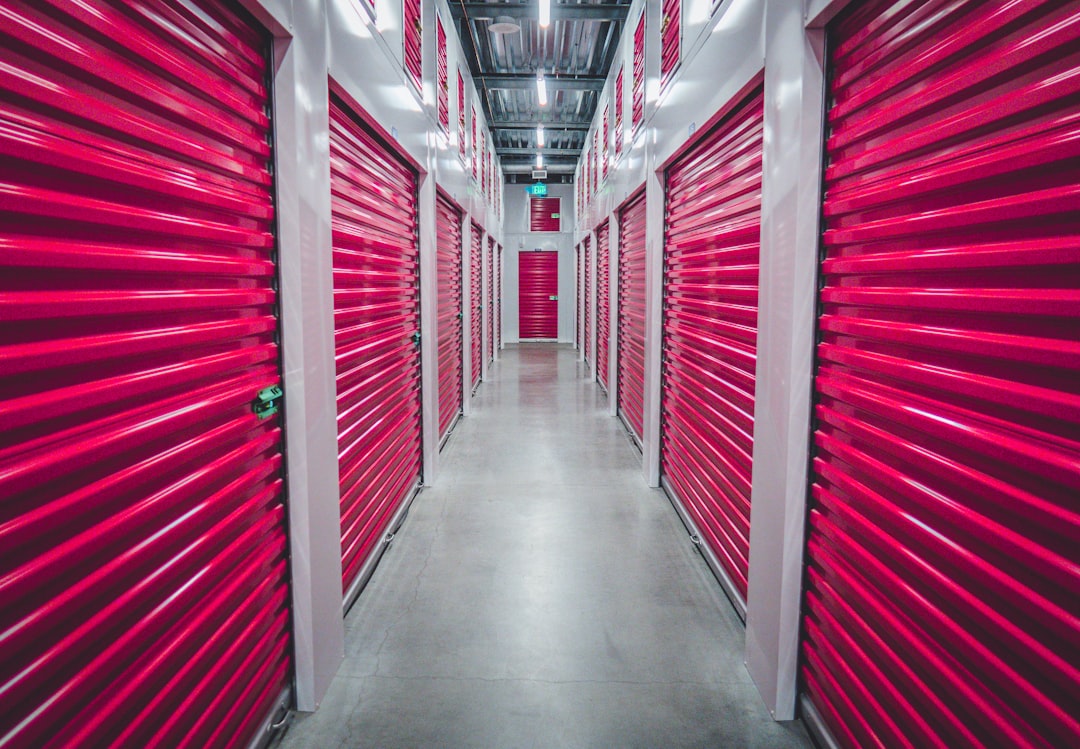
Home Storage Solutions for Small Spaces That Actually Work
Picture this: you're standing in the doorway of your apartment holding a grocery bag in one hand and a coat hook that just ripped out of the drywall in the other, and somewhere behind the leaning tower of Amazon boxes you can hear your roommate's parents pulling into the driveway. That specific flavor of panic — where your home isn't small so much as it is actively conspiring against you — is not a personal failing. It's a math problem. According to Storable and SpareFoot, 21% of Americans dedicate over 500 square feet — roughly the footprint of an entire small apartment — purely to storing stuff they rarely touch. At median home prices of $227 per square foot, that's a hidden "clutter tax" of up to $113,500. I know this because I read the report while sitting on a storage ottoman I bought to hide the clutter I was too tired to deal with. Which is, if we're being honest, exactly how most of us got here.
This guide is the room-by-room, product-level, professional-organizer-informed answer to the question I kept asking at 11 p.m. on a Tuesday: how do you organize a small apartment with too much stuff without turning it into a showroom that hates you back?
Why Your Small Space Feels Smaller Than It Is
Homes have been shrinking — SelfStorage.com notes average home sizes dropped 6% since 2016 — while our acquisition habits haven't gotten the memo. 67% of Americans say lack of storage space directly fuels their clutter, and 32% blame having too small a space for too much stuff, per Talker Research. Meanwhile, 54% of Americans sacrifice between 100 and 500 square feet of living space to possessions they barely use. That's not a junk drawer problem. That's a guest-bedroom-turned-storage-unit problem.
The emotional bill is real too. 74% of Americans report stress or anxiety when confronting cluttered areas, with 23% calling it significant or extreme. 32% avoid inviting guests. 26% say clutter has damaged relationships. Clutter isn't just messy — it's expensive real estate you're renting to things that don't pay rent.
Go Vertical Before You Go Shopping
Here's the Spatial Weight Distribution Problem, which is my name for something every designer already knows: when all your stuff lives at floor level, your eye never travels upward, and the room feels like a crowded elevator. Distribute storage vertically and the same square footage suddenly breathes.
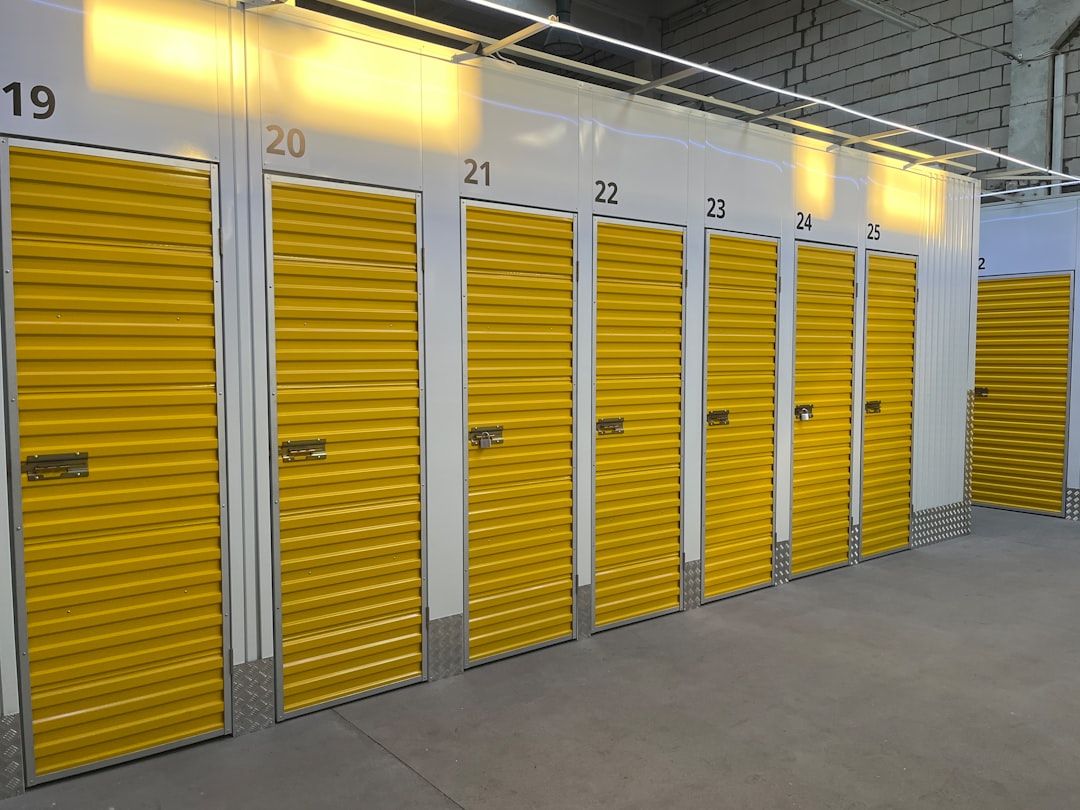
Architectural Digest puts floor-to-ceiling built-in shelving at the top of designer recommendations for small spaces. Renters and budget-conscious folks can get similar results with prefab wall-hung shelving systems. Mount drapery rods near the ceiling instead of above the window frame — the eye reads taller ceilings. Vertical stripes in wallpaper or drapes pull the gaze up. As one designer quoted in the piece put it: "Vertical space is important in any room, but in a smaller space, utilizing vertical space correctly is essential to making the room feel bigger."
Practical translation: pegboards in the kitchen, floating shelves above doorways, stacked cube organizers in the bedroom, a tall narrow bookcase instead of a wide low one. The higher you store, the less visual noise sits at eye level. I learned this after installing a third floating shelf above my desk and realizing I'd been hoarding horizontal surface area like it was a renewable resource. It is not.
Multi-Functional Furniture: The Double-Duty Taxonomy
Every piece of furniture in a small home should justify its square-footage visa. House Beautiful quotes certified professional organizer Sara Bereika on the pressure small homes create: "In a small home, there's often extra pressure to make sure everything you own is truly worth the space it occupies." Multi-functional furniture is how you pass that audit.
What saves the most space
Storage ottomans and benches are the stealth champions — they hide seasonal clothing, spare linens, and the throw blankets you absolutely need but refuse to fold. Coffee tables with drawers swallow remotes, chargers, and the mail you keep pretending you'll sort. Platform beds with built-in drawers or lift-up frames turn dead under-mattress void into cubic feet of storage. In a studio, a storage bench at the foot of the bed can replace a nightstand and a dresser drawer.
Wall-mounted fold-down desks disappear when you're not working. Modular shelving units can divide a studio into zones while holding books and dishes. The rule is simple: if it only does one job and doesn't store anything, it needs a very good lawyer to stay.
How Professional Organizers Actually Declutter
Most of us attack clutter like we're diffusing a bomb starting with the red wire — the sentimental stuff, the paperwork, the inherited china. Professional organizers start with the easy wins. NPR Life Kit recommends beginning in a low-emotion zone, pulling everything out, categorizing by type (jeans here, T-shirts there), then deciding keep-or-toss pile by pile. Remove discard items immediately — keeping them visible keeps you "stuck in the past." Set a time boundary — one hour, not "until finished" — because, as organizer KC Davis puts it, "you get to determine how long."
Professional organizers also build systems for your laziest day, not your most motivated Saturday. Plans that require energy you don't have on a Thursday night will fail. That's not weakness. That's human engineering.
The Professional Organizer Institute reports that 54% of Americans feel overwhelmed by clutter, yet 78% have no idea how to tackle it. The average person spends 2.5 days per year hunting misplaced items. Households waste an estimated $3,000 annually buying duplicates of things they already own but can't find. 88% of people report significantly less stress after hiring a pro — which tracks, because the job isn't tidying. It's designing a system your future tired self will actually follow.
The Rule of Importance
Bereika's "Rule of Importance" from House Beautiful: rate every item 1–5. Below 2 means it goes. Keeping surfaces clear matters disproportionately in small spaces — "the eye can move more easily through the room." Fewer random knick-knacks correlate directly with a room feeling larger. 35% of Americans say reducing belongings is the most effective organization strategy, per SelfStorage.com. Sometimes the best storage solution is owning less stuff to store.
Maximizing Closet Space: The Zone System
Professional organizers treat closets like puzzles, not tragedies. The zone-based approach: divide by category (tops, bottoms, accessories), put high-use items at eye level, seasonal and rarely-used items up high. Pull everything out first. Measure shelf depth and ceiling height before buying organizers — nothing wastes money like bins that don't fit.
Specific upgrades that multiply capacity: slim velvet hangers (bulky hangers can eat 5–10% of rod space), a second hanging rod below the first for short items, hanging shelf organizers for the vertical gap under shirts, uniform hangers for visual calm. Clear bins on wire shelves stop small items from falling through the "black hole." Shelf liners create flat surfaces so containers slide instead of tip.
Under-bed storage vs. over-door organizers
These aren't competitors. They're different tools for different clutter species.
Under-bed storage wins for bulk, low-frequency items: off-season clothing in vacuum bags, extra bedding, luggage, gift wrap. Platform beds with built-in drawers beat loose bins because nothing collects dust bunnies under a frame you never move. The tradeoff: access requires bending or lifting the mattress. Fine for seasonal rotation. Annoying for daily use.
Over-door organizers win for high-frequency, small items: socks, underwear, T-shirts, cleaning supplies, shoes. They exploit vertical real estate on a surface you already have — the back of a door — without eating floor space. On a swinging closet door, an over-door rack essentially creates a second dresser. The tradeoff: cheap plastic organizers sag over time; metal versions hold shape. And the door must actually swing — sliding closet doors need a different solution.
My verdict: under-bed for seasonal archives, over-door for daily grab-and-go. Use both if your closet is the size of a phone booth, which mine essentially is.
Room-by-Room Organization Plan
Entryway
Wall hooks for coats and bags. A slim shoe rack or basket, not a sprawling pile. A storage bench for sit-and-remove-shoes plus hidden seasonal gear. This zone catches incoming clutter before it metastasizes to the living room.
Living room
Clear surfaces ruthlessly. Storage coffee table, media console with closed doors, floating shelves above the sofa for books and display items worth keeping. Baskets for throw blankets. If it sits on a flat surface and isn't used weekly, it needs a home with a lid.
Bedroom
Under-bed drawers, over-door organizers, closet zones with seasonal rotation. Replace a bulky nightstand with a narrow dresser or wall-mounted shelf. Keep the floor visible — bare floor reads as space, even when the room is 120 square feet.
Kitchen
Vertical is everything: stackable clear bins in cabinets, magnetic knife strips, pot rails, over-cabinet hooks for mugs. A rolling cart adds storage that moves. Pull-out drawer organizers in deep cabinets prevent the "archaeology dig" problem where you find moldy food from 2019 — which, according to SelfStorage.com, 53% of Americans have encountered while decluttering.
Making It Stick: Systems Over Willpower
56% of Americans buy storage products at least once a year; 29% spend up to $750 annually on bins, shelves, and organizers, per Storable and SpareFoot. Buying containers without a system is like buying gym shoes without a workout plan — you feel productive for about four days.
What actually works: zone-based storage where everything has one home, seasonal rotation (swap winter coats for summer linens twice a year), the "one in, one out" rule for new purchases, and maintenance routines designed for tired-you. Talker Research found top strategies are organizing regularly (43%), only buying what's needed (38%), and better storage systems (30%). 70% of Americans say a clutter-free home is key to a successful year. The container store industrial complex didn't invent that feeling — but it can help if you buy after you declutter, not before.
As the Storable report puts it: "Ultimately, addressing clutter isn't just about tidying – it's a financial decision with measurable returns." Every square foot you reclaim is square footage you're not paying rent on, not heating, not cleaning around, not apologizing for when someone rings the doorbell.
Start Here This Weekend
Pick the easiest room — not the emotional one. Set a one-hour timer. Pull everything out, categorize, apply the Rule of Importance, trash the discards immediately. Then look up: what's your vertical space doing? Could that ottoman hold the blankets currently draped over your only chair?
Small-space storage isn't about becoming a minimalist monk or living in a furniture catalog. It's about making deliberate choices in a home that charges you by the square foot for every bad decision. Your apartment is small. Your stuff doesn't have to make it feel smaller. And if you need permission to throw away the third set of takeout chopsticks — consider this it. I kept mine for six years. You don't have to.