
How to Build a Capsule Wardrobe That Actually Works
You own 147 pieces of clothing and wear maybe 22 of them. The rest hang there like a passive-aggressive art installation reminding you that you spent money on things you don't use, generating low-grade guilt every time you open the closet door and reach for the same black jeans you've been wearing since 2023. According to a 2026 Vestiaire Collection report, 72% of people own more than 100 clothing items and 47% own more than 200 — and when confronted with the eternal "I have nothing to wear" problem, 89% of us respond by buying more clothes, which is roughly equivalent to treating a hangover by drinking more.
A capsule wardrobe is the opposite move: a small, deliberate collection of pieces that all work together, generating maximum outfit combinations from minimum inputs. It's a system that makes getting dressed require less cognitive load, saves a genuinely absurd amount of money over time, and eliminates the closet-as-graveyard problem. But most capsule wardrobe guides are either monastic minimalism cosplay ("own seven items and wash them by hand in a basin") or vague Pinterest aspirations that don't account for actual human constraints like doing laundry once a week or needing to look different at a job interview versus a grocery run.
This is the practical version — the one that works if you have a real life, a real budget, and real laundry habits.
The Actual Math: Why Capsules Save You Thousands
The average U.S. household spent $2,001 on apparel in 2024, according to the Bureau of Labor Statistics. That's the baseline — what most people are spending on clothes per year without thinking about it too hard. A 30-40 item capsule wardrobe, by contrast, costs $600-$1,200 annually once it's established, saving you $1,100-$1,300 per year. Compounded over five years, that's $5,500-$6,500 in savings versus the traditional closet's ~$10,005 spend.
The mechanism isn't just "buy less stuff." It's cost-per-wear optimization, which is the single most useful lens for clothing decisions and somehow almost no one uses it. A $40 trendy top you wear twice costs $20 per wear. A $200 jacket you wear weekly for three years — roughly 150 wears — costs $1.33 per wear. Us Weekly puts it plainly: "The jacket costs five times more upfront, but is dramatically cheaper to actually own. A high price is not automatically expensive and a cheap one is not automatically a deal."
You already do this calculation unconsciously with appliances and furniture — nobody buys a $50 couch and expects it to last a decade. But with clothes, we treat $40 and $200 as absolute values instead of asking how many times we'll actually wear the thing. A capsule wardrobe is just making that math explicit and then building around it.
The 30-40 Item Framework: What Actually Goes In
Most functional capsule wardrobes land somewhere between 30 and 40 pieces, though the exact number depends on your climate, job dress code, and how often you do laundry. The Charlotte Observer interviewed stylists who confirmed that range as the sweet spot — enough variety to avoid feeling like you're in a uniform, small enough that every piece gets regular rotation.
Here's the baseline structure for a temperate climate, adapted from MinimalistRig's research:
- Tops: 8-10 items (mix of t-shirts, button-downs, knits, blouses)
- Bottoms: 5-6 items (jeans, trousers, skirts)
- Outerwear: 3-4 items (jacket, blazer, coat, cardigan)
- Shoes: 4-5 pairs (sneakers, boots, dress shoes, sandals)
- Dresses: 2-3 (optional, depending on your life)
- Accessories: 5-8 items (bags, belts, scarves — whatever you actually use)
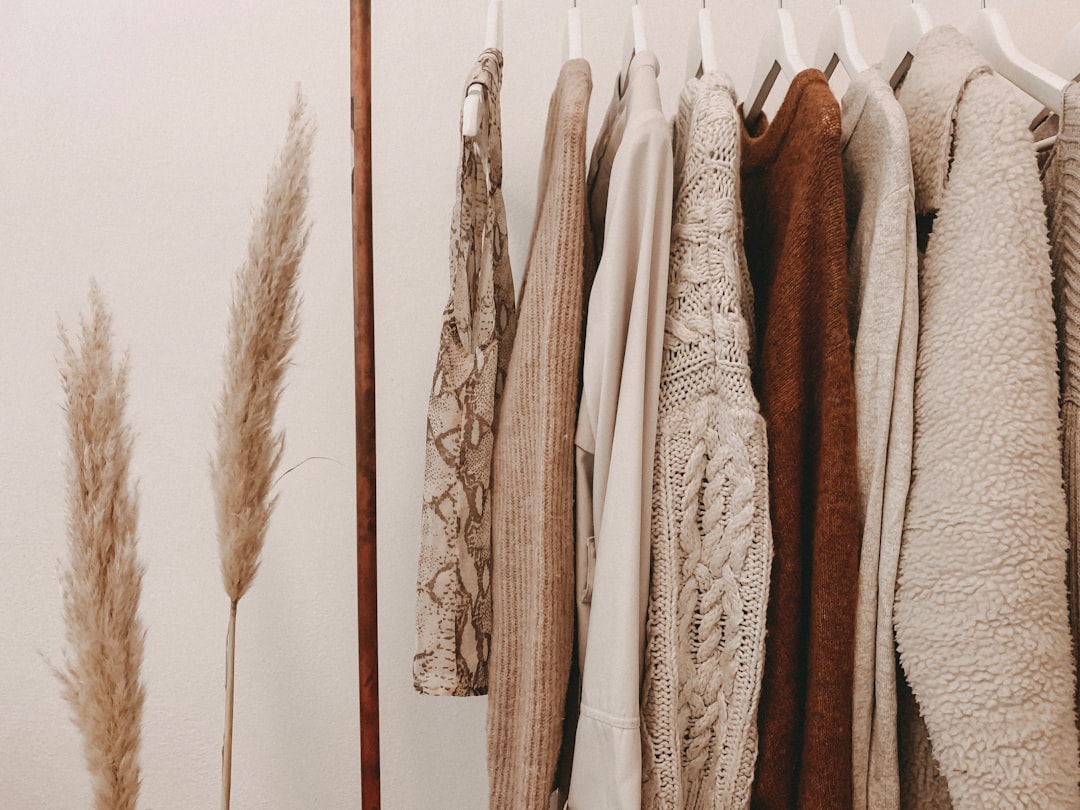
The color strategy is an 80/20 split: roughly 80% neutrals (black, navy, gray, camel, cream) and 20% accent colors. This isn't about being boring — it's about enabling maximum mix-and-match without needing to think. Stitch Fix stylist Alicia Lloyd put it this way: "A capsule wardrobe isn't about minimizing your closet; it's about maximizing the cost per wear." Neutrals let you generate dozens of outfits from a small base; accent colors keep it from feeling like a grayscale existence.
One critical insight from stylist Jessica Barnes, via the Charlotte Observer: if a piece can't make several outfits, edit it out. The single-use novelty item — the sequined top that only works with one specific pair of pants, the statement dress that's too recognizable to repeat — is the enemy of a capsule. Every item should be a utility player.
Building It: Start With What You Already Own
Most people already own 60-70% of a functional capsule after an honest audit, according to MinimalistRig. The problem isn't that you lack a black t-shirt or dark jeans — it's that those 27 useful pieces are buried among 120 other things you never wear, making it impossible to see what you actually have.
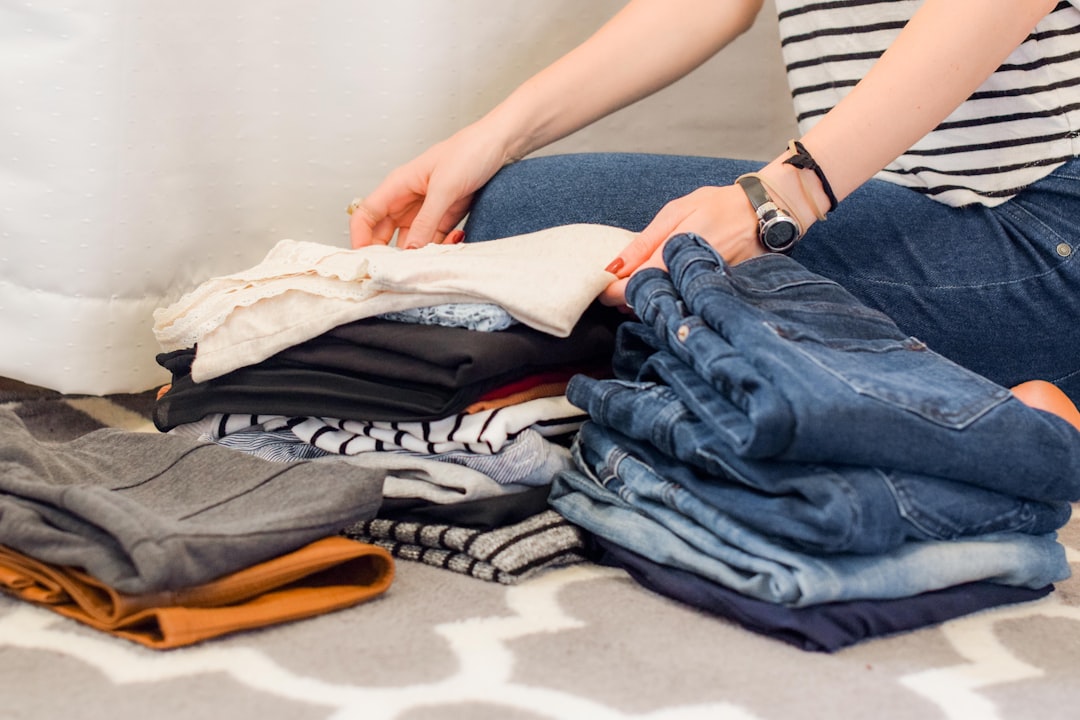
So the first step is not shopping. It's archaeology. Pull everything out, make a pile of things you've worn in the past three months, and be ruthlessly honest about the rest. The dress you've been "saving for a special occasion" for four years is not coming with you. The jeans that fit weird but were expensive so you feel guilty donating them — also not coming. Sunk cost is sunk. You're building around what you actually wear, not what you wish you were the kind of person who wears.
Once you've identified your existing core, you'll see the gaps: maybe you have seven black tops but no versatile outerwear, or great shoes but no bottoms that aren't jeans. That's your shopping list. And this is where cost-per-wear math becomes a superpower, because you're not buying to fill a psychological need or chase a trend — you're buying a specific missing piece that will get heavy rotation.
Where to Buy: Brands That Actually Last
The Capsulist breaks down capsule-friendly brands by price tier. Start with affordable workhorses like Quince (basics $20-$90) or Uniqlo ($10-$50) for foundational pieces. Move to mid-range brands like Everlane ($28-$128) or COS ($45-$250) for polished everyday staples. Investment pieces — the coat you'll wear for a decade, the boots that will outlive your car — come from brands like Toteme ($100-$600) or The Row ($300-$2,000+).
The recommendation: start with Quince for basics, add Everlane for pieces that need to look slightly more intentional. Save investment-tier spending for outerwear and shoes, which take the most wear and have the highest cost-per-wear payoff.
Seasonal Rotation: How to Not Freeze or Melt
A capsule wardrobe is not a uniform you wear year-round. It's a rotating system. You keep a core of year-round pieces (black jeans, white t-shirt, leather jacket) and swap in seasonal layers as needed. In practice, this means you might have 30 items in active rotation and another 15-20 in storage, cycling between them as weather changes.
For cold climates: add heavier knits, wool trousers, insulated outerwear. For hot climates: lighter fabrics, more dresses, sandals instead of boots. The structure stays the same — 8-10 tops, 5-6 bottoms, etc. — but the specific items shift. The Charlotte Observer notes that the right count depends on climate, job, and laundry frequency, which is another way of saying: if you live in Arizona and work from home, your capsule looks different from someone in Boston with a business-casual office job.
The key is that seasonal swaps are intentional — you're not just throwing a parka on top of your summer wardrobe and calling it done. You're putting away the linen shorts and bringing out the wool pants, keeping the total active count stable.
The Culture Shift: Why Capsules Are Having a Moment
The hashtag #capsulewardrobe has 2 billion views on TikTok, which is a staggering number for what is functionally an anti-consumption trend. Poshmark saw orders for quiet-luxury brands like Toteme up 118%, Khaite up 127%, and The Row up 41% year-over-year in 2023, while orders for 100% cashmere pieces spiked 284% in the second half of that year. This is not an accident.
There's a backlash happening against the micro-trend treadmill — the exhausting cycle of buying into whatever TikTok says is cool this week, wearing it twice, and watching it become cringe two weeks later. Modern Retail quotes one user: "It's a strain on your wallet and it's a rat race to keep up with everything. I think we're so used to buying into trends and micro trends that when something like capsule wardrobe dressing comes along, so many people catch on to it."
The environmental case is also becoming impossible to ignore. Americans generate 17 million tons of textile waste annually, with 11.3 million tons ending up in landfills, according to EPA data cited by Money & Planet. A capsule wardrobe doesn't solve the fashion industry's systemic problems, but it does mean you personally are not contributing dozens of barely-worn garments to that pile every year.
But the real draw, I think, is simpler: decision fatigue is real, and getting dressed every morning from a closet stuffed with 150 items — 80% of which you don't actually like or wear — is low-grade miserable. Research from the University of Hertfordshire, cited by MinimalistRig, found that people wear only 20% of their wardrobe 80% of the time. A capsule just makes that 20% the entire collection, eliminating the dead weight.
The Long Game
A capsule wardrobe is not a project you finish in a weekend. It's a system you build over months, refining as you learn what you actually reach for versus what you thought you'd reach for. The first version will have mistakes — you'll buy a blazer that seemed versatile but turns out to only work with one outfit, or realize you need two pairs of black pants instead of one because laundry happens every ten days, not every week.
That's fine. The point is not perfection. The point is a closet where everything works, where getting dressed takes two minutes instead of twenty, and where you're spending money on things that earn their keep instead of hanging there generating guilt. As one stylist put it: "A capsule is not a uniform but a set of pieces you genuinely love, kept fresh with accents and seasonal swaps."
Start with what you have. Identify the gaps. Buy deliberately. Rotate seasonally. And watch your cost-per-wear numbers drop while your closet starts feeling like a tool instead of a problem.