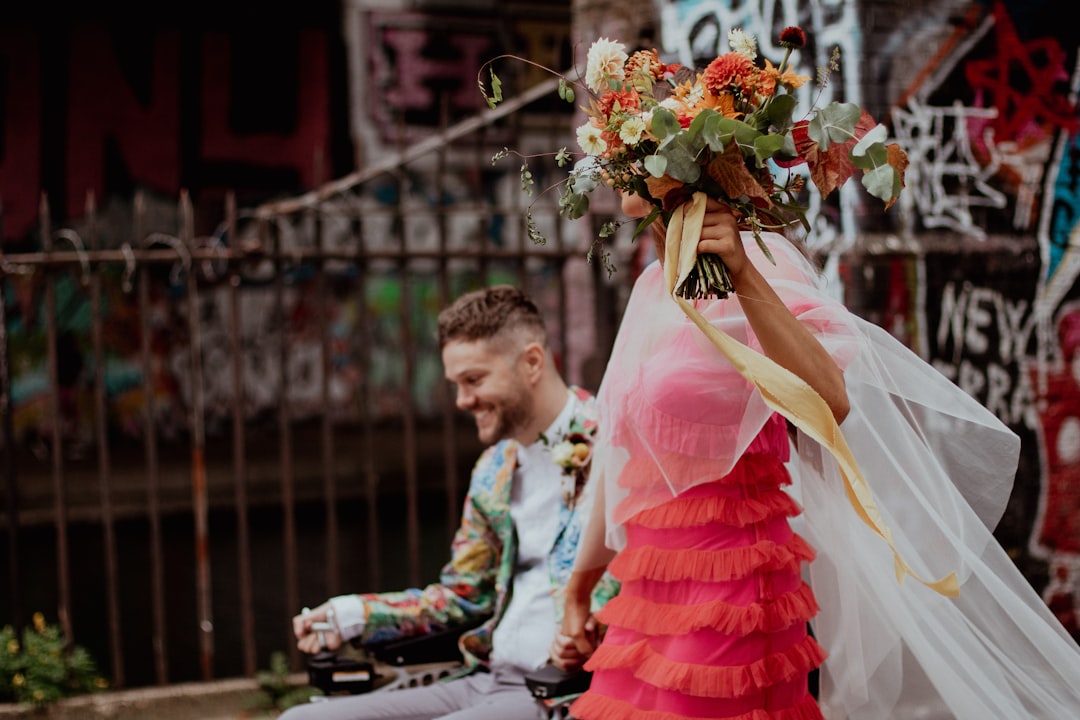
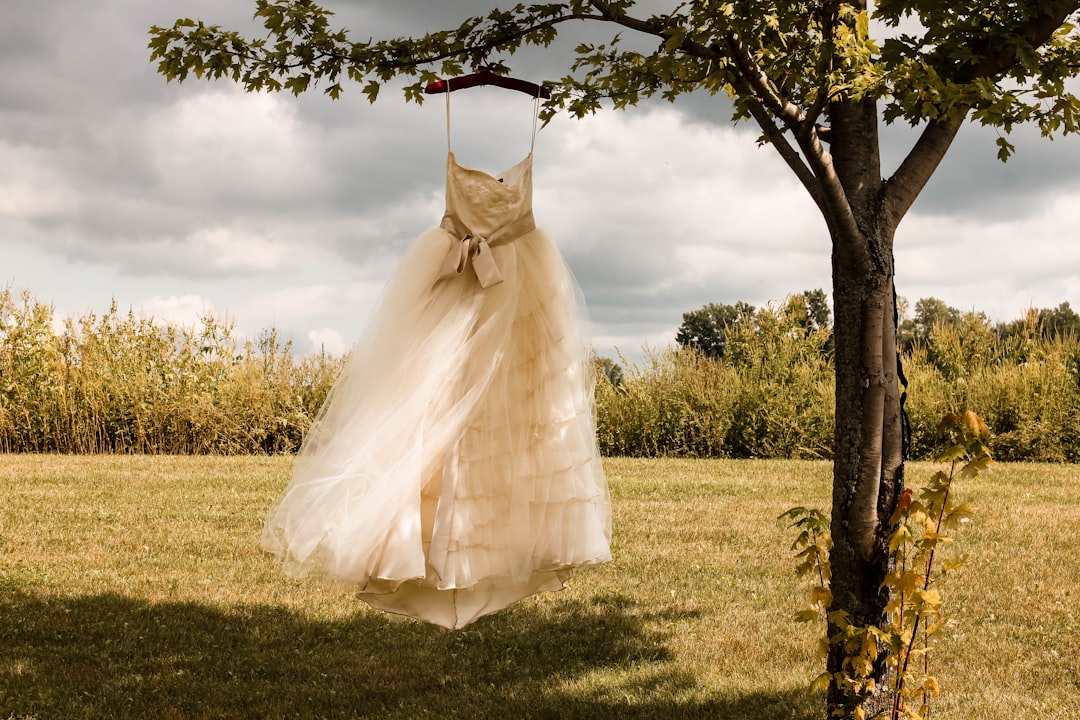
Picture this: you're standing in a bridal boutique under fluorescent lights that make every shade of ivory look like slightly different shades of regret, and the consultant keeps calling a $4,000 ball gown "timeless" while you silently wonder if timeless is just code for "what everyone else wore in 1987." I have been that person. I nodded. I tried on the tulle. I felt like I was cosplaying someone else's wedding Pinterest board — which, if we're being honest about the whole white-dress situation, is a relatively recent cosplay anyway.
Here's what you're actually going to get from this: straight answers about whether skipping white is okay (spoiler: yes), which color and silhouette alternatives are winning right now, where to shop without losing your mind, and how to accessorize a look that doesn't come with a built-in cathedral train. I read the trend reports so you don't have to pretend you care about dropped-waist market share — though I will mention it, because the numbers are weirdly fascinating.
The White Wedding Dress Is a Recent Plot Twist
Most people treat the white wedding gown like it descended from Mount Bridal fully formed around the time humans invented marriage. It didn't. According to Ohio State University News, the white wedding dress tradition stretches back over 2,000 years to the Roman Republic — but here's the scale-inversion part that blows the whole purity narrative apart: Queen Victoria popularized white in 1840, and as historian scholar Summer Brennan's research cited there notes, at the time white had only been fashionable among the well-to-do for about nine years. Nine. That's shorter than most Netflix shows get renewed.
White originally signaled wealth, not virtue — only rich brides could afford white silk that would be worn once and never survive a second scrubbing. It became the overwhelming default only in the last 80 years, after World War II made mass-produced ready-to-wear gowns affordable enough that everyone could dress like royalty for a day. In 2018, Brides Magazine survey data reported by Ohio State still showed 83% of brides wearing white — but that number is eroding fast, the way a sandcastle erodes when the tide of personal taste finally shows up.
So is it okay to not wear white? Yes. You're not breaking a sacred eternal law. You're opting out of a fashion trend that peaked roughly one human lifetime ago. Non-white wedding dresses are acceptable at garden weddings, courthouse ceremonies, destination celebrations, second marriages, and — this is the part that matters — your wedding, where the dress should look like you, not like a bridal mannequin's default setting.
What Color Wedding Dress Alternatives Are Actually Winning
According to Vogue, 15% of brides now choose a non-white wedding dress — a figure that has climbed steadily over the last decade. To feel that number: imagine a room of twenty brides. Three of them are wearing something that would have made your great-grandmother clutch her pearls. That's not a fringe rebellion anymore; it's a measurable shift in what "bridal" means.
The dominant non-white palette right now runs blush, champagne, and sage — colors that still whisper "wedding" without screaming "I rented a princess costume." Vogue Business reports that brown wedding dress arrivals in the UK rocketed 262% year-on-year according to EDITED retail data — which is the kind of stat that sounds absurd until you realize brown reads as sophisticated, rewearable, and distinctly not-your-cousin's-ivory-satin. Deeper jewel tones, soft terracotta, and even black are moving from "avant-garde boutique curiosity" to "intentional choice" territory.
"Color became part of that conversation because it allowed bridal to feel more personal, expressive, and wearable. For many of our brides, especially those having smaller or more intimate weddings, there is less desire to dress for a bridal ideal." — Amy Anderson, Kindred of Ireland, via Vogue
Multi-cultural weddings are accelerating this shift. First Resort by Ramola Bachchan found that 40% of Indian brides now choose pastel shades — ivory, lavender, sage green, wine — over traditional reds, reflecting what founder Ramola Bachchan calls brides who "shop with intention, not tradition." Color isn't a rejection of heritage. For many brides, it's how heritage gets honored on their terms.
The Non-White Color Menu (Ranked by How Mainstream They've Gone)
Champagne and blush: The gateway drugs of alternative bridal — still photograph as "bridal" in most lighting
Sage and dusty blue: Dominating garden and destination weddings; Lulus reported sage green bridesmaid searches up 89%
Brown and terracotta: The fastest-growing surprise category in retail data
Black and deep jewel tones: City weddings, gothic romance, and brides who want a dress they'll actually wear again
Jumpsuits, Separates, and the Multi-Outfit Wedding Wardrobe
Let's talk about the Bridal Silhouette Escape Plan — my coined term for the growing realization that a wedding outfit doesn't have to be a single floor-length dress you can't sit down in. WifiTalents bridal industry data shows 15% of brides now opt for a pantsuit or jumpsuit instead of a traditional gown, and 33% purchase two separate dresses for the wedding day itself. That's one in three brides running a mini wardrobe change operation — which, given that Vogue Business cites The Knot data showing 81% of Gen Z and 73% of millennials had a rehearsal dinner in 2024, makes total sense. Modern weddings aren't one-look events anymore.
Can you wear a jumpsuit as a wedding dress? Absolutely. Bridal jumpsuits in crepe, satin, and lace photograph beautifully, move better on the dance floor, and often cost less than equivalent gowns. Separates — a tailored blazer with wide-leg trousers, a crop top with a flowing skirt, mix-and-match pieces with detachable capes — offer what fashion director Kay Barron of Net-a-Porter described to Vogue Business as letting brides "dress in a more varied way, whether it's a mini dress, tailored suit, playful accessories or even some pops of colour."
Short hemlines are having their moment too. Lulus's Spring 2025 trend report logged a 107% sales increase in slip dresses and a 250% surge in cowl necklines — both silhouettes that work at courthouse ceremonies, city-hall elopements, and reception outfit changes. The White Magnolia 2026 Trend Report notes that 15% more brides chose a second outfit change in 2025, and detachable capes surged fourfold year over year. The cape is basically a cheat code: ceremony drama, reception mobility.
Where to Find Non-Traditional Wedding Dresses
Here's the budget reality check, because I wish someone had handed me this spreadsheet before I fell in love with a custom atelier gown I couldn't afford. Traditional full-length gowns from established bridal houses typically run $1,500 to $5,000+. Alternative options often land lower because you're buying fewer yards of fabric and skipping the structural engineering required to support twelve pounds of tulle.
$200–$500: Minimalist jumpsuits, short dresses, and slip silhouettes from retailers like Lulus and similar ready-to-wear brands — 25% of modern brides prefer ready-to-wear over traditional gowns
$500–$1,200: Online retailers with inclusive sizing and color options; non-bridal labels entering the market — Vogue Business notes Cult Gaia, Aligne, Issey Miyake, and Simone Rocha driving aesthetic shifts, with 20% of Ssense's bridal styles selling out entirely
$1,200–$3,000+: Custom colorful gowns from designers like Kindred of Ireland, Danielle Frankel, WONÀ Concept, and Honor — the territory where hand-beaded detail and bespoke color become realistic
Non-bridal labels are the sleeper hit here. You don't have to shop exclusively in the "bridal" section — which is good, because 55% of brides prioritize comfort over traditional aesthetics, and comfort rarely lives in a boned corset labeled "tradition." Search by silhouette and fabric, not by the word "bridal." A champagne crepe column from a contemporary label will outlast a trendy white gown you'll never wear again — and rewearability, as Vogue notes, is increasingly cited as both a financial and environmental reason brides choose color.
How to Accessorize a Non-Traditional Wedding Dress
Accessories are where a non-traditional look goes from "nice outfit" to "that's clearly the bride and she looks incredible." The rules shift depending on your silhouette, but the principle stays the same: let one element carry the drama so the rest can breathe.
For colored gowns: Keep jewelry metallic and clean — gold with blush and terracotta, silver with sage and dusty blue. A simple veil in ivory or matching tulle still reads ceremonial without fighting your color choice. Statement earrings do the heavy lifting when the dress is already the main event.
For jumpsuits and suits: This is where bridal jumpsuits earn their keep. Add a cape or overskirt for the ceremony — detachable capes quadrupled in sales for a reason — then ditch it for the reception. Wide-brim hats, bold belts, and platform heels or even clean white sneakers (if your venue allows it) personalize a tailored look instantly.
For separates and short hemlines: Detachable sleeves are trending hard — Lulus flagged them alongside mix-and-match pieces as major 2025 movers. A cropped jacket over a slip dress. A statement boot with a mini. Colored gloves or a pastel overskirt if you want a nod to tradition without committing to full white.
The through-line across every alternative look: accessorize for your venue and your actual personality, not for a bridal magazine's idea of what a bride should look like. I once spent forty-five minutes debating veil length for an outfit I hadn't even chosen yet. Don't be me. Pick the dress first. Then let the accessories serve it.
Your Wedding, Your Uniform
The non-traditional wedding dress isn't a trend you need permission to join — it's a correction. White dominated for less than a century as a mass-market default. Color, jumpsuits, separates, and short hemlines aren't rebellions against marriage; they're expressions of the fact that you are a specific person getting married, not a generic bride template.
Start with one question: what would you wear if no one had ever told you what brides are supposed to look like? Build from there. Shop ready-to-wear if budget matters. Go custom if color is non-negotiable. Buy two outfits if your wedding spans a ceremony and a dance floor that demands movement. And if someone in the front row gasps because you're in sage green instead of ivory — well, statistically, at least three of the other brides in their mental comparison group are probably thinking about doing the same thing next year.