
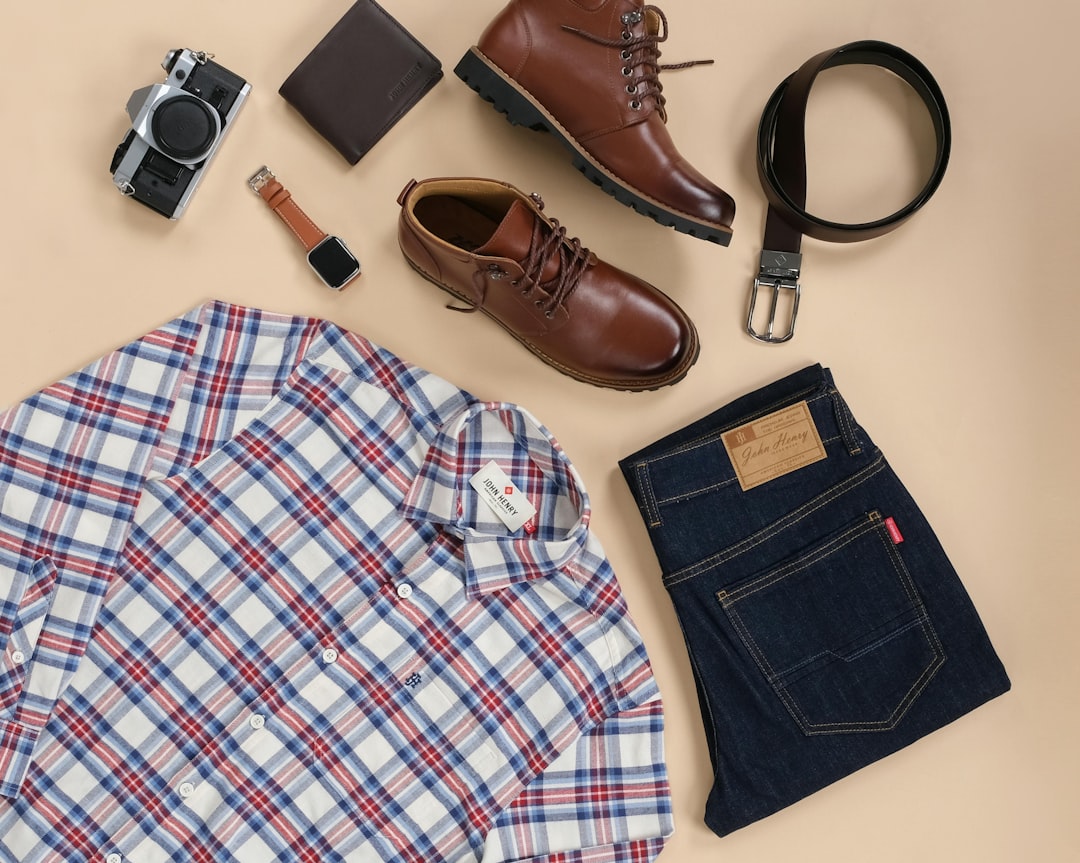
Build a Timeless Classic Wardrobe That Actually Works
I was standing in front of my closet at 7:14 on a Tuesday — forty-seven hangers, three laundry baskets I was pretending didn't exist, and the distinct sensation that I owned precisely zero clothes. Not in the dramatic way influencers say it before a haul video. In the real way, where you have a neon puffer from 2019 and a blazer that only works with one specific pair of pants you haven't seen since March. My brain was doing that thing where it treats getting dressed like a Sudoku puzzle designed by someone who hates you.
That's when I fell down the capsule wardrobe rabbit hole — which, it turns out, is not a Pinterest aesthetic. It's a fifty-year-old idea about not buying your way into confusion. Here's how to build a timeless classic wardrobe with investment pieces that don't expire, how to do it without selling a kidney, and how to look like a person with opinions instead of a mannequin at a going-out-of-business sale.
The 20-Piece Timeless Wardrobe Checklist
According to Wikipedia, London boutique owner Susie Faux coined the term "capsule wardrobe" in the 1970s to describe essential clothing items that do not go out of fashion — skirts, trousers, coats — augmented with seasonal pieces. Her baseline suggestion? Two pairs of trousers, a dress or skirt, a jacket, a coat, a knit, two pairs of shoes, and two bags. That's roughly twelve items covering most of human civilization's social obligations, which is wild when you consider the average American closet holds over a hundred pieces and still produces the "nothing to wear" meltdown.
Donna Karan pushed the concept mainstream in 1985 with her "7 Easy Pieces" collection — models walked out in bodysuits and black tights, then layered on interchangeable workwear until they looked like they had a personal stylist and a trust fund. The formula still holds. Here's my expanded 20-piece Core Wardrobe (what I call the CW-20 — because naming things makes me feel in control):
- Tops (5): White button-down, striped Breton tee, neutral crewneck tee, fine-knit sweater, silk or satin blouse
- Bottoms (4): Mid-wash straight-leg jeans, tailored black trousers, dark dressy jeans, neutral midi skirt
- Outerwear (3): Structured blazer, trench coat, denim trucker jacket
- Dresses (2): Little black dress, versatile midi dress
- Shoes (3): Black mules or loafers, clean white sneakers, ankle boots
- Accessories (3): Roomy work tote, everyday sunglasses, day-to-night jewelry (mini hoops work)
Who What Wear puts it plainly: capsule wardrobes take the overwhelming task of shopping and simplify it via a digestible list. Their checklist includes oversize blazers, flattering black pants, striped T-shirts, midi dresses, and black mules — pieces that work across seasons without requiring a spreadsheet every morning. A Levi's Original Trucker Jacket around $70 and Agolde Jamie High Rise Classic Jeans around $158 show up as classic investment anchors, not because those brands paid anyone to say that, but because they've survived enough trend cycles to qualify as infrastructure.
How to Spot a Real Investment Piece
An investment piece is not "the most expensive thing at the mall." It's the item that survives what I call the Three-Winter Test — if you can picture wearing it through three consecutive winters without wincing, it passes. Think of your closet like a small apartment in a city with brutal rent: every garment needs to pull its weight, pay utilities, and not scream at the neighbors.
Weight the spending toward items that carry visual load. Blazers, trousers, jeans, coats, shoes, and bags determine whether you look polished or like you lost a fight with a sample sale. A $60 pair of slim black trousers can outperform a $400 novelty dress worn twice — the math is boring and correct.
Check fabric content like you're reading a contract. Natural fibers — cotton, wool, linen, silk — hold shape and color better through repeated washing. Inspect stitching at seams and buttons; if it looks like it was attached by someone checking their phone, walk away. I once bought a "luxury" coat that shed fibers like a nervous cat. I wore it exactly four times. That's $87.50 per wear, which is not investment dressing — that's a fine.
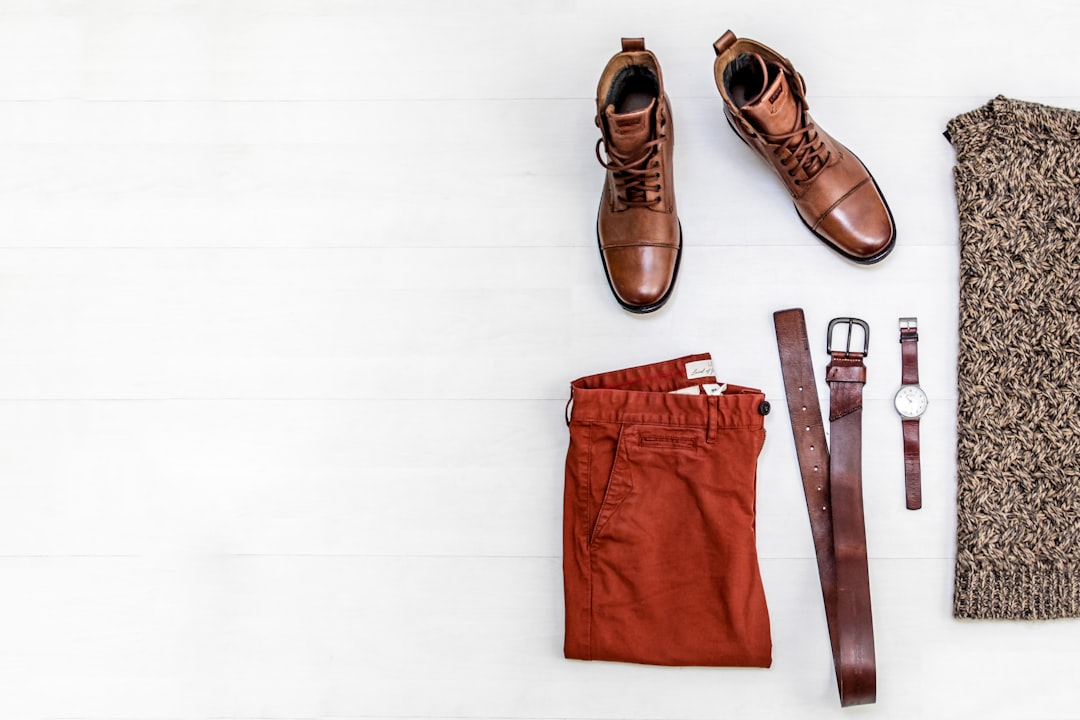
The French Wardrobe Philosophy (a.k.a. Outfit Math)
The French approach to dressing treats your closet like a neutral-color mixing board — navy, black, white, beige, camel, grey, denim blue — where every piece talks to every other piece without drama. Quality over quantity. Timeless silhouettes over trend-chasing. A structured trench, straight-leg jeans, a silk blouse, tailored trousers, and a fine knit sweater form the backbone; the rest is combination logic, not acquisition chaos.
Picture yourself as a minimalist chef with twelve ingredients. You don't need forty spices if salt, olive oil, and one good pepper do the heavy lifting. French wardrobe philosophy works the same way: fewer pieces, higher repeat rate, less decision fatigue. Gok Wan, the stylist and TV presenter cited on Wikipedia, argues capsule wardrobes become especially important during economic downturns because they let you look good on a limited budget — which is just another way of saying your clothes should work harder than your credit card.
"A capsule wardrobe is a collection of a few essential items of clothing that do not go out of fashion, such as skirts, trousers, and coats, which can then be augmented with seasonal pieces."
I ignored this philosophy for years and bought "statement pieces" that made statements like "I have no plan." One floral maxi dress. One metallic belt. One pair of platform boots that only worked with the belt. I had built a wardrobe of incompatible nouns.
Mixing Classics With Trends Without Looking Boring
Classic doesn't mean beige purgatory. It means your foundation is stable enough that one trendy item reads as intentional instead of desperate. The 80/20 rule applies: roughly eighty percent timeless core, twenty percent seasonal or trend-forward accents. Striped tees and white tops are your neutral canvas; add a fancy belt, a cool evening pouch bag, or a scoop-neck one-piece swimsuit (which Who What Wear calls the most versatile and classic swim style) as the accent that keeps things from feeling like a uniform.
Texture is the cheat code for avoiding boring. Velvet, linen, woven knits, and a single print piece — one Breton stripe, one floral — add visual interest without color chaos. Pair a classic blazer with trendy denim shorts for summer. Throw mini hoops and a structured tote at an otherwise plain tee-and-trousers combo. The classics hold the outfit together; the trend piece provides the punctuation mark.
And yes — I still buy dumb trendy things. But now they have to audition against the CW-20. If a piece can't meet at least three existing items for coffee, it doesn't get hired.
Fabrics and Colors That Actually Last
Timeless colors are the ones that don't argue with your skin tone or each other: black, navy, white, ivory, camel, oatmeal, soft charcoal, mid-wash denim. These aren't exciting. They're diplomatic. They shake hands across seasons and never start a fight at brunch.
Timeless fabrics follow the same logic. Cotton poplin for shirts. Wool or merino for knits and coats. Linen for summer structure. Silk or silk blends for blouses that elevate everything they touch. Gabardine cotton for trench coats — lightweight, water-resistant, and associated with Audrey Hepburn running through rain looking unfairly chic, which is the kind of historical reference that actually helps you remember why the item matters.
Avoid heavy distressing, neon saturation, and silhouettes that only existed because one TikTok made them famous for eleven days. The simpler the cut, the longer the shelf life — straight-leg jeans in mid blue outlast skinny jeans with knee rips the same way a plain white Oxford outlasts a bedazzled crop top. Harsh but true, and I say this as someone who owned the bedazzled crop top.
Seasonal Updates Without Blowing Up Your Foundation
Your core wardrobe stays put. Seasonal updates swap in lightweight layers for summer — mid-length denim shorts, a scoop-neck swimsuit, espadrilles — and heavier textures for winter — wool coat, cashmere or merino knit, long boots. Two or three accent colors per season (dusty rose, deep red, warm terracotta) applied through accessories or a single garment keep things fresh without dismantling the neutral foundation.
Start with what you already own. Audit your closet against the CW-20 checklist. Fill gaps one at a time, prioritizing the highest-impact categories: trousers, blazer, coat, everyday shoes. You don't need all twenty pieces by Friday. Susie Faux's original capsule was designed to be built gradually and updated with seasonal additions — not acquired in a panic-induced weekend spree at a mall that smells like cinnamon pretzels and regret.
Build the foundation. Buy fewer things. Wear them more. Look like someone who figured it out — even on a Tuesday at 7:14, when the laundry baskets are still lying to you.