
How to Get Rid of Unwanted Furniture: 7 Options Compared
Last Saturday I stood in my living room staring at a couch that had absorbed roughly eleven years of my life — spilled wine, a cat who treated the armrest like a scratching post, the ghost of every Netflix binge I'd ever committed to — and realized I had no truck, no plan, and absolutely no idea where a sofa goes when it stops being furniture and starts being a problem. The couch just sat there. Judging me. Which, fair.
What I needed wasn't a motivational speech about decluttering. I needed a decision tree with real prices attached. This is that tree — seven ways to get rid of unwanted furniture, what each one actually costs, and which path makes sense when you're couch-rich and truck-poor.
The Scale of the Sofa Problem (Why This Matters)
Before we talk about your specific couch, let's talk about the national couch graveyard. Americans generated 12.08 million tons of furniture and furnishings waste in 2018 — the most recent year the U.S. Environmental Protection Agency measured it. That's roughly the weight of 120,000 blue whales worth of end tables and sectionals, and 80.1% of it — 9.68 million tons — went straight to landfills. Only 0.3% got recycled. Furniture waste has grown 450% since 1960, when we threw away a comparatively quaint 2.2 million tons per year.
Earth911 calls this the "fast furniture" reckoning: flat-pack pieces engineered to last about five years, design trends turning over every ten months, Americans spending roughly $2,750 a year replacing stuff that was fine until Instagram decided it wasn't. Donation centers reject up to 40% of furniture brought in. EPA's 0.3% recycling figure reflects a system that literally cannot disassemble a composite couch profitably — curbside programs weren't built for bulky glued-together goods.
I call this the Landfill Default — the invisible conveyor belt that catches every piece of furniture nobody actively routes somewhere else. Your couch is already on it unless you intervene.
Seven Removal Methods: What They Cost and What You Get
Here's the full cost map, because "how much does furniture removal cost" depends entirely on which door you walk through.
1. Donation Pickup — $0
The cheapest way to get rid of old furniture in good condition is donation. Will Salvation Army pick up furniture for free? Yes — in most U.S. metro areas. Schedule online at satruck.org or call 1-800-SA-TRUCK. They accept sofas, chairs, beds, mattresses, dressers, dining tables, and cabinets in gently used, sellable condition — no stains, tears, or structural damage. Typical wait: one to two weeks. When you donate, those items fund Adult Rehabilitation Centers. Broken furniture gets rejected, so be honest about condition before you schedule.
2. City Bulk Pickup — $0 (Usually)
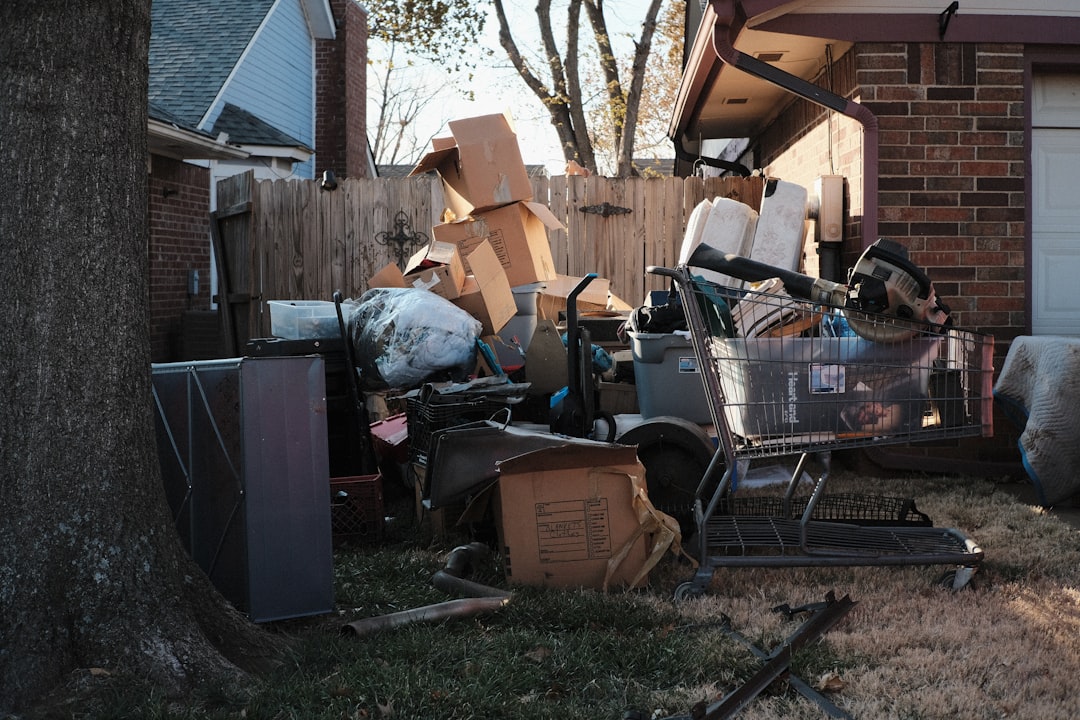
Does city bulk pickup remove furniture? In most municipalities, yes — but the rules vary wildly. NYC residents get free curbside removal of up to six large items per collection day with no appointment, per the NYC Department of Sanitation. Mattresses must be sealed in plastic bags or you face a $100 fine. Burbank residents schedule pickup at least two business days ahead via 311 — most furniture collected free, though mattresses carry a $12.14 special handling fee as of July 2025, per City of Burbank Public Works. Burbank explicitly says: "Bulky Item collections are sent to the landfill and not recycled... so please use this option last!" Wait times run two to eight weeks in many cities.
3. Curbside Pick-Only Services — $40–$120
You drag the couch to the curb; they haul it away. Dropcurb reports curbside pickup runs 30–50% less than full in-home service because you're doing the hard part. Good answer to "how do I dispose of a couch without a truck" if you have a friend, a dolly, and a staircase you're willing to negotiate with.
4. Full-Service Junk Removal — $79–$528
How much does it cost to remove a sofa? Here's where the numbers get real. Dropcurb puts couch removal at $79–$200, sectionals at $150–$300. JunkPro's analysis of 500 quotes found an average couch removal cost of $145 in 2026 — ranging from $65 in rural budget markets to $380 for a Manhattan walk-up. Thumbtack puts the national average at $123–$274, with low-end simple removals around $71 and difficult-access sectionals hitting $528. 1-800-GOT-JUNK charges $100–$300+ per sofa, often requiring on-site estimates. Furniture accounts for 41% of all junk removal requests — the single most common category.
5. Sell or Give Away Locally — $0 (You Might Profit)
Facebook Marketplace, Buy Nothing groups, Craigslist free section. Zero cost if someone's willing to haul it themselves. I've listed a "perfectly fine" couch before and watched it sit for three weeks while I slowly became the person who keeps a couch they hate because listing it felt like work. Your mileage may vary.
6. Recycling Centers — $20–$75
Some facilities accept metal bed frames, wood components, or mattresses separately. EPA data shows wood and ferrous metals account for 58% of furniture weight — theoretically recoverable, practically difficult. Call ahead; most won't take upholstered couches.
7. DIY Dump Run — $30–$60
<Rent a truck or borrow one, pay landfill tipping fees. Cheapest if you already have access and muscle. Worst option if you don't, unless you enjoy herniated discs as a hobby.
Do Junk Removal Companies Disassemble Furniture?
Yes — and they'll charge you for it, often without telling you upfront. JunkPro found 78% of junk removal companies charge extra for furniture disassembly, but only 23% disclose that fee before quoting. The average disassembly fee in 2026: $72, up 18% from 2025. Add stair carries ($15–$75 per flight), fuel surcharges ($15–$75), and same-day urgency premiums ($25–$50), and 43% of consumers ended up paying more than their initial quote.
Ask explicitly: "Does this quote include disassembly, stairs, and disposal fees?" Get it in writing. Comparing at least three quotes saves $30–$60 on average, per Thumbtack.
Your Weekend Exit Plan: Sofa to Gone in 48 Hours
Here's the sequence I wish someone had handed me before I spent a week paralyzed by options:
- Friday morning: Assess condition honestly. Good shape? Schedule Salvation Army pickup at satruck.org. Damaged? Skip donation — you'll waste everyone's time.
- Friday afternoon: Check your city's bulk pickup rules. NYC? Set it curbside on trash day. Burbank? Schedule via 311. No city service? Post on Marketplace with "FREE — you haul."
- Saturday: If nothing's claimed, get three junk removal quotes. Specify stairs, disassembly needs, and whether you want curbside or in-home pickup.
- Sunday: Execute. Couch gone. Living room reclaimed. Contemplate how much empty floor space changes your brain chemistry.
The Eco-Friendly Route (When You Have the Luxury of Time)
Donation first — always. It extends product life and keeps usable goods out of the landfill conveyor. Recycling second, for metal frames and separable components. City bulk pickup last, because as Burbank's public works department puts it plainly, those collections go to landfill, not recycling. The EPA notes 19.5% of furniture waste was combusted for energy recovery in 2018, but that's industrial-scale processing — not something your curbside bin triggers.
Earth911's blunt assessment: "EPA's 0.3% recycling figure reflects a recycling system that cannot disassemble furniture profitably." Your individual couch won't fix a broken system, but routing it to donation instead of bulk pickup is one fewer ton on a pile that's already 450% bigger than it was when your grandparents bought their first credenza.
Pick Your Path
Cheapest overall: donation or city bulk pickup at $0, if your item qualifies and you can wait. Cheapest without a truck and without patience: curbside junk removal in the $40–$120 range. Fastest with zero physical effort: full-service removal at $79–$528 depending on couch size, location, and whether your third-floor walk-up counts as an adventure sport.
That couch in my living room? Salvation Army picked it up eleven days later. Cost me nothing except the embarrassment of watching two very kind volunteers assess whether my cat-damaged disaster met their "gently used" standard. It did. Barely. The empty corner where it sat still feels bigger than the square footage suggests — which is either physics or the psychological relief of finally dealing with something I'd been avoiding since March. Probably both.