Metal Building Cost Guide 2026: 16x20 and 24x24 Pricing
Last March I stood in my driveway staring at a quote for a 16x20 metal building — $11,400 installed, slab not included — and my brain did that thing where it converts dollars into something I can actually feel. That's roughly the price of a used Honda Civic, except instead of depreciating the moment you sign the title, this box of galvanized steel sits on your property for forty years pretending it was always there. Welcome to the 2026 metal building cost landscape, where a 320-square-foot structure and a 576-square-foot garage live in completely different budget universes depending on whether you're buying a kit, hiring installers, or going full turnkey with insulation and doors that don't look like they belong on a storage unit.
I'm going to walk you through real numbers for the two sizes everyone actually searches for — 16x20 and 24x24 — plus the kit-vs-installed split, garage vs workshop vs barn logic, and the upgrade decisions (gauge, insulation, slab) that turn a $6,000 quote into something that makes your spouse raise an eyebrow. Every figure below comes from industry pricing data, not vibes.
How Much Does a 16x20 Metal Building Cost?
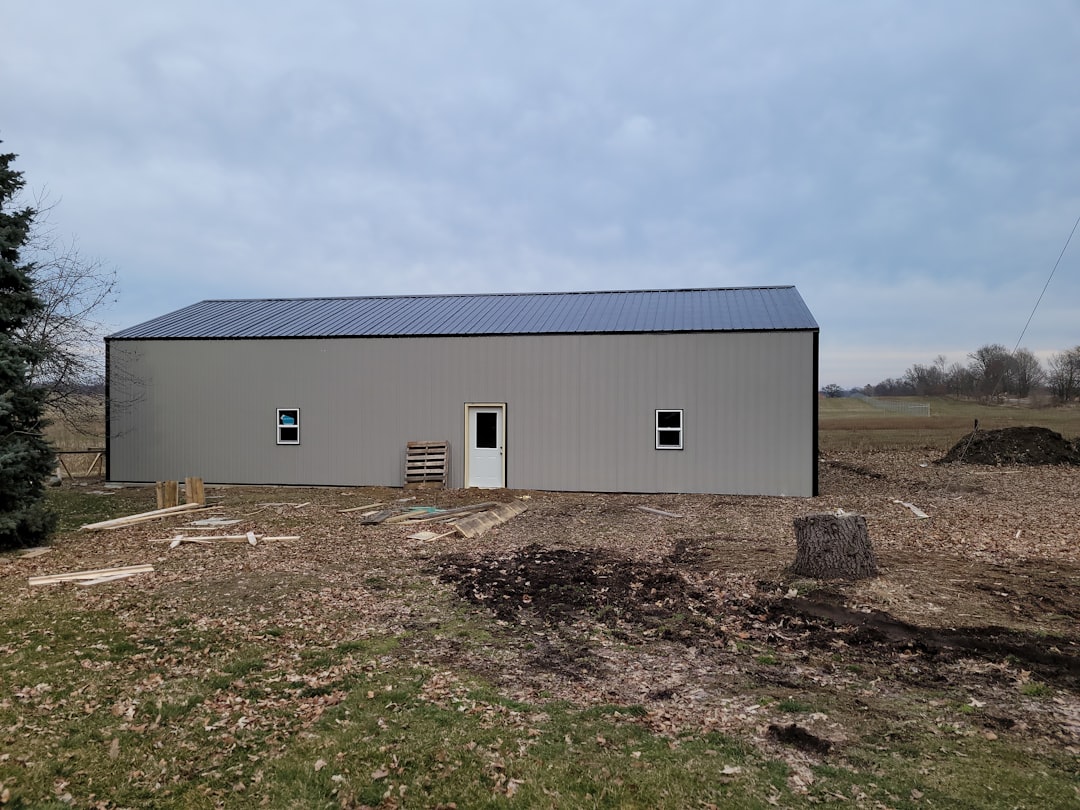
A 16x20 metal building gives you 320 square feet — picture two parking spaces side by side with room left over for a workbench and the lawnmower you've been storing in the rain like an idiot (I did this for two years; the mower did not forgive me). According to Well Built Florida, total project pricing in 2026 runs $8,000 to $16,500, averaging around $11,000 when delivery and basic erection are included. That breaks down to roughly $25 to $52 per square foot depending on how fancy you get.
On the kit-only side, expect $4,000 to $9,000 for raw steel before anyone touches a wrench. Viking Steel Structures puts most enclosed residential garages in the $5,000 to $9,000 installed sweet spot for smaller footprints — though their range spans from a $1,395 starter carport all the way past $50,000 for commercial monsters nobody reading this article needs.
Here's the Price-Stack Effect I keep seeing: the building itself is only half the story. Add a concrete slab at $4 to $8 per square foot (Viking Steel Structures), and your 16x20 pad alone runs $1,280 to $2,560. Throw in insulation, a roll-up door upgrade, and suddenly you're looking at $13,500 to $16,000 for an insulated shell with windows — still cheaper than stick-built, but not the $6,758 teaser price some kit pages advertise before options pile on.
What Does a 24x24 Metal Garage Actually Run?
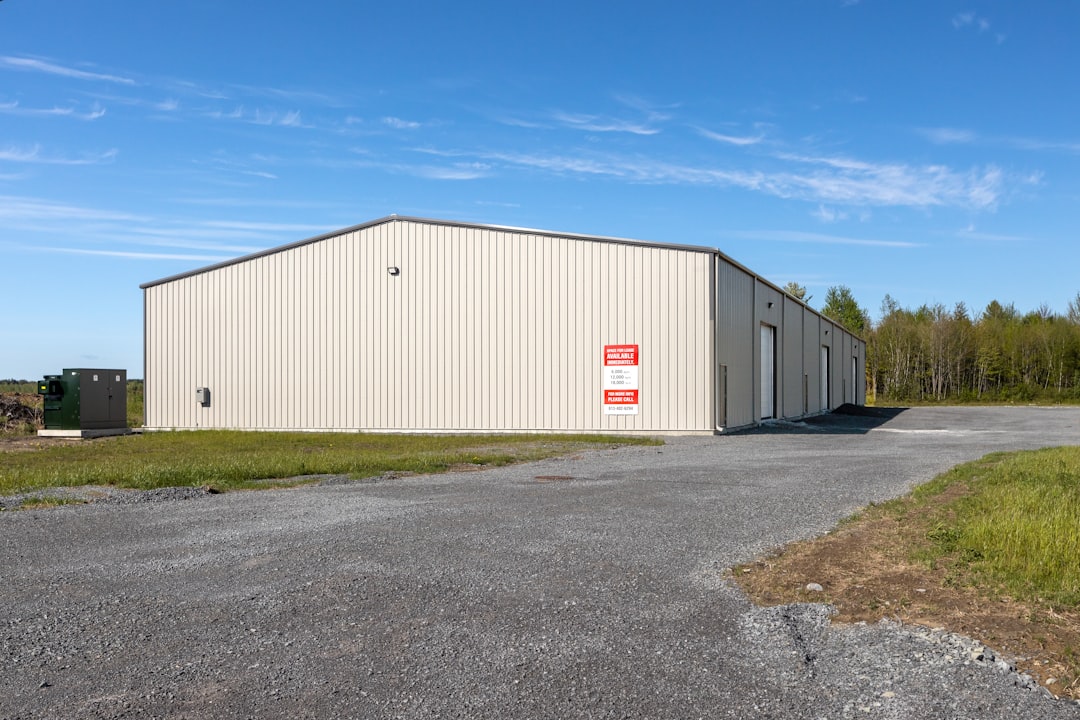
Now scale up. A 24x24 metal garage delivers 576 square feet — enough for two cars with breathing room, or one car plus the workshop you've been sketching on napkins since 2019. SteelBuildingKit.com prices a 24x24 kit at $5,500 to $9,500, an installed shell at $13,000 to $21,000, and a turnkey finished build at $26,000 to $44,000. That's a spread wide enough to drive a truck through, and the difference is almost entirely about who's doing the work and what's included.
National Steel Buildings Corp narrows the total installed range to $15,000 to $25,000 for a typical 24x24 — which tracks with the installed-shell tier above once you factor in foundation and regional pricing. Speaking of regions: the same vertical-roof 24x24 structure costs $6,190 in the Southeast versus $8,390 in the Northeast. Geography isn't a rounding error; it's a 35% swing on the base structure alone.
"A 24x24 metal garage delivers 576 sq ft of durable, expandable space for roughly $15,000-$25,000 installed... Metal garages cost half as much to own over 30 years compared to wood structures due to minimal maintenance and double the functional lifespan."
Foundation for a 24x24 typically adds $4,456 to $7,760 at $5 to $7 per square foot. So when someone tells you they got a 24x24 garage for $9,000, ask the follow-up question that separates dreamers from planners: does that include the slab? Usually no. Usually that's when the real conversation starts.
Kit vs Installed: Where Your Money Actually Goes
Think of it as the DIY Taxonomy — three tiers that look similar online but land on your credit card very differently:
Kit-only ($5,500–$9,500 for 24x24): Steel arrives, you supply labor, equipment, and probably three weekends you didn't have.
Installed shell ($13,000–$21,000): Professionals erect the structure weathertight. Foundation and interior finish remain your problem.
Turnkey finished ($26,000–$44,000): Insulation, doors, electrical rough-in, the works. You pull up and start storing things.
SteelBuildingKit.com notes that cost per square foot drops as buildings grow — small structures run $10 to $19 per square foot for kits, while large commercial builds hit $8 to $13. Steel gauge, eave height, roof style, and wind/snow certification each swing pricing 8% to 30%. That's not a footnote; that's the difference between a quote that makes sense and one that feels like a bait-and-switch.
Garage vs Workshop vs Barn: Pick Your Building Personality
Same steel, different soul. A garage optimizes for vehicle access — roll-up doors, minimal windows, maybe 9-foot eave height. Viking puts metal garages starting around $3,500, with most homeowners landing between $5,000 and $9,000 installed for standard residential sizes.
A workshop wants height, insulation, and electrical. You're paying for climate control so your fingers work in January. A heated workshop in a moderate climate needs minimum R-13 walls and R-19 roof; cold zones (think Minnesota, not Florida) push toward R-19 to R-25 walls and R-30 to R-38 roof per SteelBuildingKit.com's insulation guide.
A barn chases clearance and open span — $6,000 to $25,000+ according to Viking Steel Structures, with the common range $8,000 to $16,000. You're buying volume and livestock/storage flexibility, not a cozy place to rebuild a carburetor.
Is Metal Cheaper Than Stick-Built? (Yes, and It Gets Worse for Wood Over Time)
Short answer: yes, upfront and dramatically over decades. US Patriot Steel puts prefab steel at $20 to $40 per square foot installed versus $40 to $70 for stick-built. A 30x40 workshop runs $35,000 to $50,000 in steel against $65,000 to $85,000 in wood — and steel goes up in two to six weeks while wood takes three to six months.
The 30-year ownership math is where wood really loses. Steel maintenance over 20 years: $2,000 to $5,000. Wood: $15,000 to $25,000. National Steel Buildings Corp adds that steel's non-combustible rating trims insurance 5% to 15%, saving $750 to $2,250 over 15 years. Wood needs $8,000 to $22,000 in maintenance by year 15; steel needs under $600. I don't say this to dunk on wood — I say it because I almost built stick-framed and the spreadsheet saved me from myself.
Gauge, Insulation, and Slab: The Upgrade Trifecta
What gauge steel should you buy?
Frame gauge is the skeleton; roof panel gauge is the skin. For residential garages, 14-gauge framing is standard, with 12-gauge for heavy snow or high-wind zones — upgrading can add 8% to 15% to your total. Roof panels typically run 26-gauge to 29-gauge sheet metal, with 29-gauge reserved for lighter-duty carports per Viking Steel Structures. Thicker isn't always better; it's matching steel to what your county's wind and snow load map actually demands.
Can you insulate a metal building?
Absolutely — and if you plan to work inside it for more than twenty minutes in summer, you probably should. Insulation runs $1.00 to $4.00 per square foot installed in 2026. Fiberglass batts are the budget play at $0.40 to $1.50 per square foot; closed-cell spray foam hits $1.50 to $3.50 but delivers R-6 to R-7 per inch. For a 24x24 insulated to R-30, National Steel Buildings Corp estimates roughly $1.50 per square foot in materials plus $1 per square foot for installation — about $1,440 on top of your base build.
Do you need a concrete slab?
For anything enclosed and permanent: yes, plan on it. BuildingsGuide.com recommends budgeting $4 to $8 per square foot for a slab, with construction labor adding another $5 to $10 per square foot if you're not DIY-ing. A 20x30 slab runs $2,400 to $4,800. You can erect some carports on gravel or asphalt, but garages and workshops on bare dirt is how you end up with a building that settles like a bad soufflé.
What to Do With All These Numbers
Start with your actual use case — garage, workshop, or barn — then pick a size and decide whether kit-only savings are worth your weekends. Budget the slab and insulation upfront, not as surprises. Get quotes from multiple suppliers and compare installed-shell pricing apples-to-apples, including gauge and regional wind certification. And remember: the cheapest quote on page one of Google is almost never the number you'll actually pay once the slab, doors, and the thing that keeps your tools from freezing solid get added in.
Metal buildings in 2026 aren't the tin sheds of your grandfather's farm. They're engineered structures with 40-year warranties that cost half as much to own as wood over three decades. The question isn't whether steel makes financial sense for most homeowners — the data says it does. The question is whether you'll budget for the full project or learn the hard way that "starting at" and "turnkey" are two entirely different sentences.