
Water Heater Replacement Costs 2026: Full Guide
Picture this: it's 6:47 a.m., your shower has gone from "lukewarm betrayal" to "full Arctic ambush," and somewhere in your garage a 50-gallon steel drum full of heated water is making a sound like gravel in a washing machine. That sound — I ignored it for eleven months because I convinced myself sediment buildup was just the water heater "expressing itself" — is often the first chapter of a very expensive Tuesday. Replacing a water heater in 2026 isn't a single number on a sticker; it's a stack of decisions about tank vs tankless, gas vs electric, sizing math most people skip, and whether you're legally allowed to touch the gas line yourself (spoiler: probably not, and we'll get there).
By the end of this guide you'll know what replacement actually costs installed, whether tankless earns its price tag over 15 years, what size a family of four needs, which fuel type wins on your utility bill, how long these things last before they become basement grenades, and when DIY crosses from "handy homeowner" into "why is the inspector mad at me."
What Water Heater Replacement Actually Costs in 2026
Here's the price spread that matters: a standard 40–50 gallon tank swap — same fuel, same location, minimal drama — runs roughly $700 to $1,500 installed, according to National Plumber Connect. Gas tanks land a bit higher than electric on the unit side: PermitDeck puts gas tank installs at $800–$1,500 versus $600–$1,200 for standard electric. Heat pump water heaters — the efficiency nerds of the category — jump to $2,000–$3,500 installed.
Tankless is where the sticker shock lives. Gas tankless units run $1,100 to $3,500 installed, and that's the optimistic version where your gas line, venting, and electrical service already cooperate. Converting from tank to tankless adds retrofit labor — new venting, gas line upsizing, sometimes electrical panel work — that can push the real total toward $4,000 or beyond. Think of it like buying a sports car and discovering your driveway is two inches too narrow: the car price is only half the story.
Permits add another $50–$200 in most jurisdictions, and PermitDeck's 50-state guide confirms every state requires one for water heater installation or replacement — gas models need a separate gas permit too. Labor often eats more than half the total bill, which is why that "$400 unit on Home Depot dot com" fantasy dies the moment a plumber quotes you.
Tank vs Tankless: The 15-Year Ownership Math
The tank water heater is a hot-water savings account — it keeps 40–80 gallons warm 24/7 whether you're home or on vacation in Portugal. The tankless unit is more like a very intense barista: it heats water only when you ask, which sounds elegant until you realize it needs enough BTU firepower to keep up when two teenagers shower simultaneously while the dishwasher runs.
According to the U.S. Department of Energy, homes using 41 gallons or less of hot water daily can see tankless units run 24%–34% more energy efficient than conventional storage tanks. Gas-fired tankless heaters deliver higher flow rates than electric ones — typically 2–5 gallons per minute — which matters when you're sizing for peak demand, not average Tuesday usage.
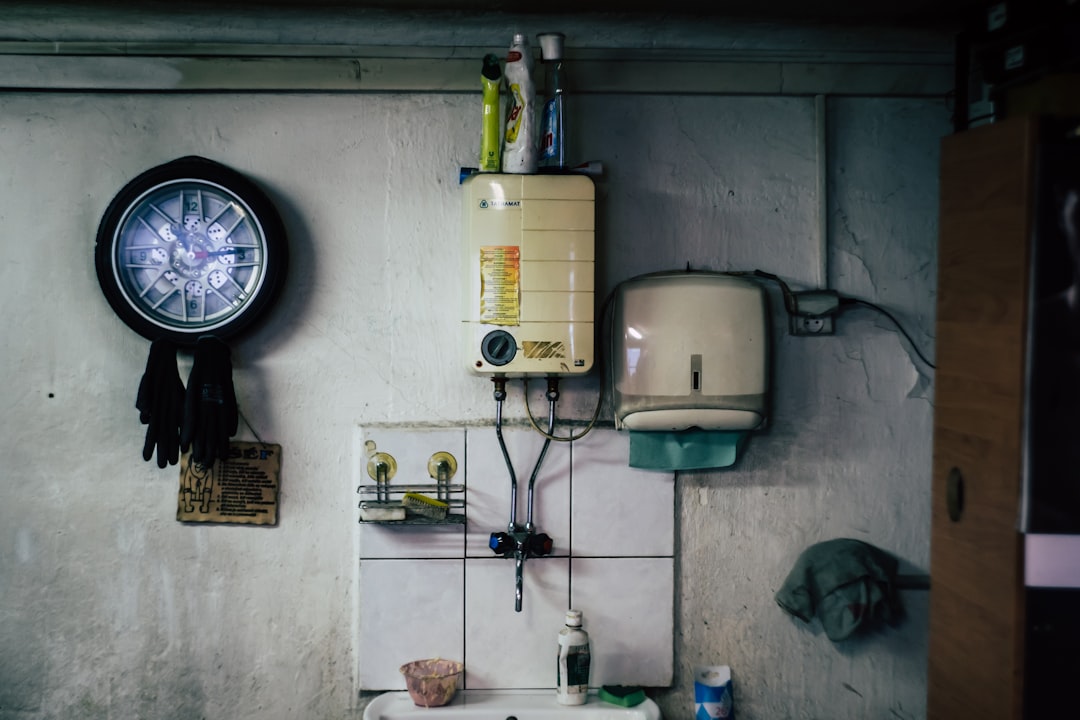
Lifespan is where tankless pulls ahead over time. DOE notes most tankless heaters last more than 20 years, while storage tanks typically survive 10–15 years. Rheem narrows that further: traditional tanks often die at 8–12 years, tankless at 15–20+ with proper maintenance. National Plumber Connect estimates gas tankless saves $150–$300 per year versus a gas tank — up to $4,000 over 20 years — while replacing a tank twice in that same window.
"The initial cost of a tankless water heater is greater than that of a conventional storage water heater, but tankless water heaters will typically last longer and have lower operating and energy costs, which could offset their higher purchase price."
Is tankless worth the premium? If you're staying put 10+ years, use moderate hot water, and your home can handle the retrofit without a four-figure surprise, yes — the math often works. If you're replacing a dead tank on a Friday before listing the house, a like-for-like tank swap is the sane move. I did the opposite once because I read one blog about "instant endless hot water" and spent an extra $1,800 on venting. The hot water was indeed endless. So was my regret during the home inspection paperwork.
Gas vs Electric: Who Wins on the Utility Bill
This is the part where people pick a fuel type based on whatever their parents had in 1987. Don't do that. Run the numbers for your region.
PermitDeck's 2026 cost breakdown shows annual operating costs for a family of four at roughly $220–$480 for gas, $320–$820 for standard electric, and $90–$250 for heat pump units depending on local utility rates. Gas wins on raw operating cost in most climates. Heat pump water heaters — which pull heat from surrounding air like a refrigerator running backward — crush both on efficiency, with National Plumber Connect citing $150–$200 annual energy costs versus $500–$600 for standard electric and a 3–5 year payback on the higher upfront price.
Recovery rate is the hidden variable. Gas tanks recover about 40–50 gallons per hour; standard electric manages roughly 20–25. That means an electric tank needs a bigger body to deliver the same first-hour punch — like needing a larger backpack because your friend walks faster and you refuse to jog.
One 2026 wrinkle: the federal 25C tax credit for heat pump water heaters expired December 31, 2025, so new installations this year don't get that federal rebate unless local utility programs pick up the slack. Check your state's incentives before assuming the heat pump discount still exists.
What Size Water Heater Does a Family of Four Need?
Stop shopping by tank capacity alone. The number that actually matters is the First Hour Rating (FHR) — the gallons of hot water a unit can deliver in the busiest hour starting from a full tank. The U.S. Department of Energy says to match your water heater's FHR to your peak hour demand — the highest hot-water usage in any single hour of your day. For most families, that hour is the morning rush: showers, shaving, maybe a dishwasher cycle all stacked like a Jenga tower of competing hot water needs.
DOE's own worksheet example — three showers, one shave, one hand dishwashing session — totals 66 gallons of peak demand. A family of four with two bathrooms typically needs an FHR of 60–80 gallons, per HVAC Base's sizing calculator. That translates to a 50-gallon gas tank (which can hit 67+ gallons FHR thanks to faster recovery) or a 65–80 gallon electric tank because electric recovery is slower — about 21 gallons per hour versus 40–50 for gas.
For tankless, forget gallons entirely. Size by flow rate: the same family of four needs roughly 4.0–5.5 GPM, which means a 150,000–199,000 BTU gas tankless or a 27–36 kW electric unit in warm climates. Look for FHR on the yellow EnergyGuide label — it's listed as "Capacity (first hour rating)" in the top left corner on conventional storage models.
When to Replace (and Whether You Can Install It Yourself)
Water heaters don't send a polite resignation letter. They send rusty water, rumbling sounds, and eventually a puddle that turns your garage into an indoor wading pool.
ENERGY STAR recommends replacing storage water heaters older than 10 years. Rheem flags these failure signals: water leaking from the tank base, rusty or discolored hot water, persistent rumbling from sediment buildup, and recurring repairs. Their rule of thumb: if a repair exceeds 50% of a new unit's price, or you're stacking fixes within months, replace the thing. ENERGY STAR warns that ignoring corrosion and leaks can lead to sudden failure, tank rupture, and water damage that makes a $1,200 replacement look like a parking ticket.
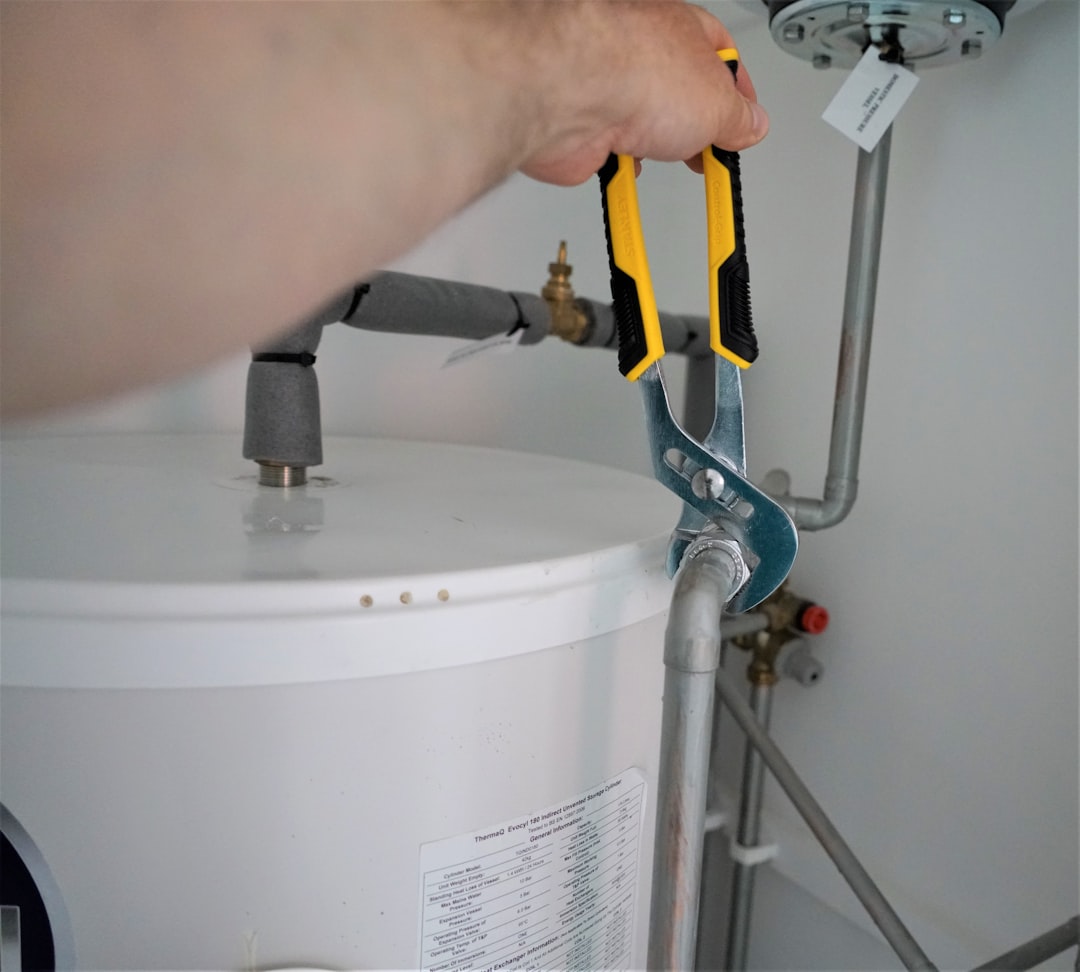
Can you install one yourself? Legally, maybe — practically, it's a gamble. About half of U.S. states allow homeowners to DIY in their owner-occupied primary residence; the other half require a licensed plumber, per PermitDeck. Even where DIY is permitted, gas connections, venting code compliance, expansion tanks on closed systems, and seismic straps (required in California, Oregon, and Washington) turn a "weekend project" into something that can void your homeowner's insurance if done wrong. I've watched a friend confidently YouTube his way through an electric tank install — it worked, but the inspector made him redo the T&P discharge line twice. Know your local code before you touch a wrench.
Pulling It Together
A 2026 water heater replacement runs $700–$1,500 for a straightforward tank swap, climbs to $1,100–$3,500+ for tankless, and rewards patient homeowners who match FHR to their actual morning chaos rather than guessing at gallon labels. Gas usually costs less to operate than standard electric; heat pump units cost more upfront but can pay back in a handful of years. Tankless wins the 15-year ledger if you stay in the house and your infrastructure cooperates. And when your unit hits 10 years old and starts sounding like a coffee percolator full of rocks — don't be me, waiting eleven months — get quotes before the tank writes its own dramatic ending.